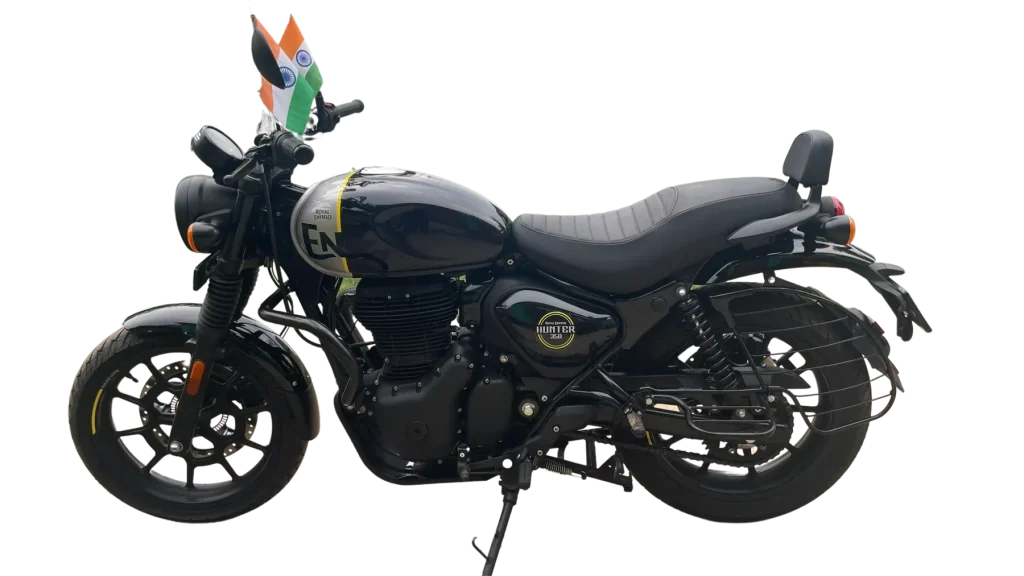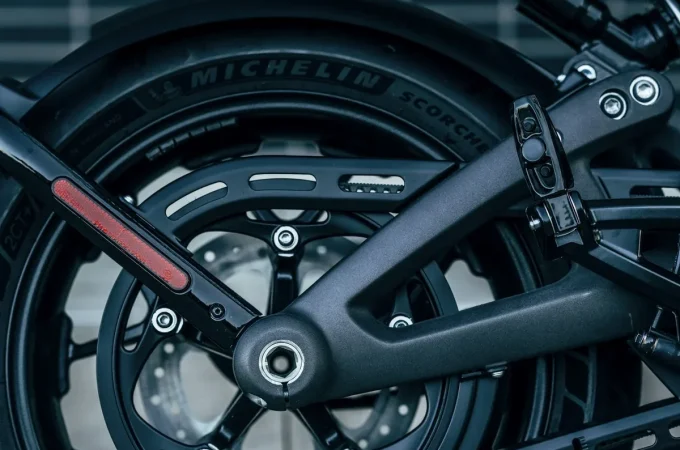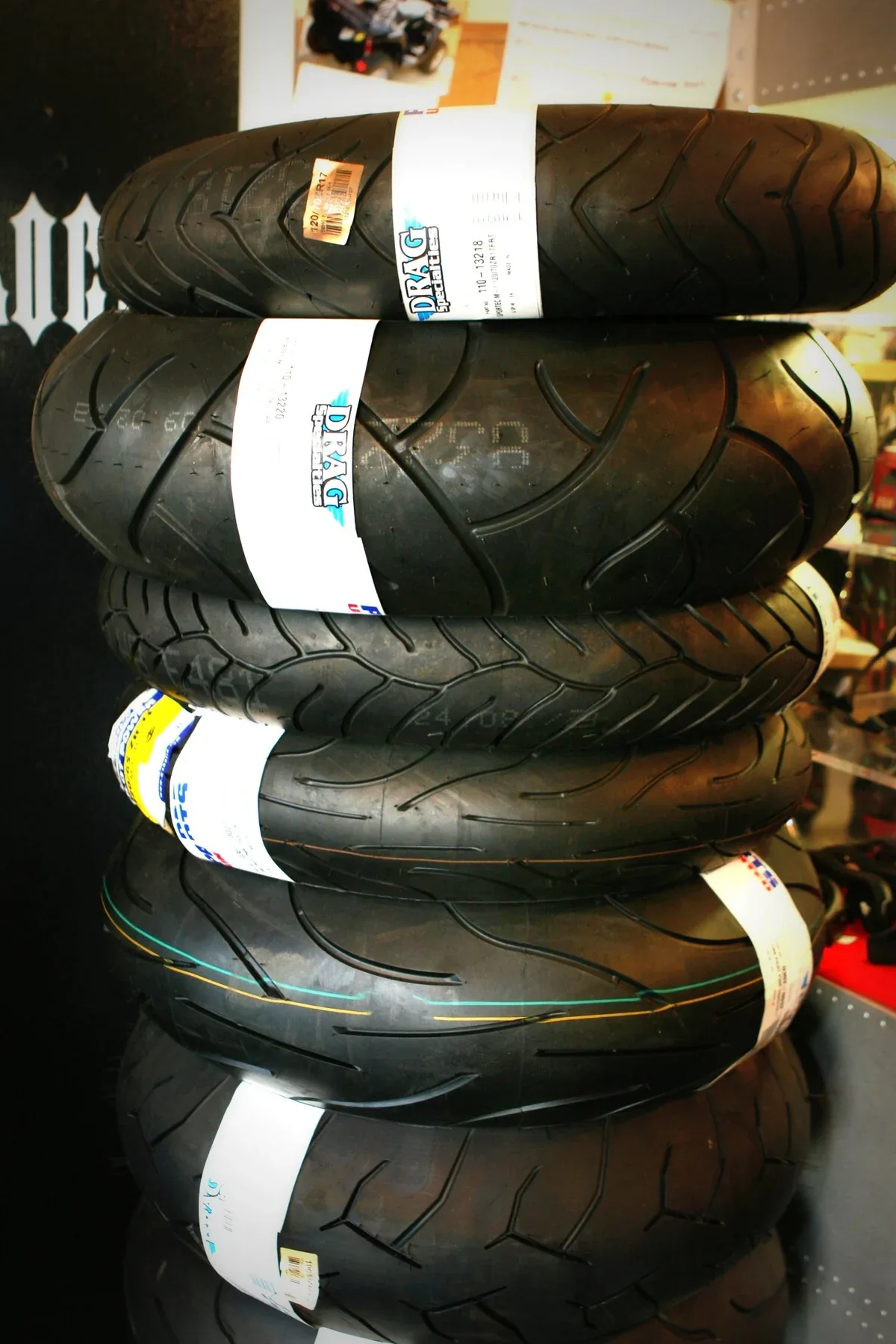
Use the motorcycle maker’s cold-pressure specification for your exact load. A warm reading should not be reduced simply to match a cold-pressure figure.
A pressure reading is only useful when you know the target and the conditions in which you measured it. A number copied from another rider’s bike is a poor starting point, even if the tyres look similar. Begin with the motorcycle manufacturer’s specification for your model and load.
Find the right target before touching a valve
Michelin’s road-use guidance points riders to the motorcycle manufacturer’s recommended pressures. It advises checking cold tyres regularly and before a long journey, and warns against releasing air from a hot tyre simply to match a cold target.
Keep a photograph of the relevant manual page or pressure label in your phone. Check whether the specification distinguishes solo riding from carrying a passenger or luggage. Also record the unit: bar, kPa and psi are different scales, so a bare number is not a complete instruction.
Make successive measurements comparable
| Field | What to write |
|---|---|
| Date and distance | Date, odometer and whether the bike has been ridden |
| Load setting | Solo, passenger or luggage condition from the manual |
| Recommended cold pressure | Front and rear, including the unit |
| Measured pressure | Front and rear before any adjustment |
| Observation | Repeated loss, visible damage, valve issue or no change |
| Next action | Recheck under comparable conditions or arrange inspection |
Use the same reliable gauge where practical and follow its instructions. If a reading seems implausible, check the connection and repeat it before acting. Keep valve caps fitted after checking. A record of comparable readings is more helpful than a collection of measurements taken straight after different rides.
Separate a measurement from a diagnosis
Suppose your log shows repeated loss from the rear tyre while the front remains stable. That is a reason to arrange an inspection; it does not prove whether the cause is the valve, the tyre, the rim or the gauge. Avoid solving the uncertainty by repeatedly adding air and assuming the underlying issue has gone away.
Likewise, a reading after a motorway trip should not be compared directly with yesterday morning’s cold measurement. Write down the conditions. If you are unsure whether a tyre is safe to use, have it assessed before riding.
Do not import track settings into road use
Advice from a circuit, an off-road session or a different tyre construction may have been given for a specific operating context. Keep your everyday road baseline tied to your motorcycle’s documentation. A forum recommendation without the load, tyre and conditions is incomplete information.
Useful habit: save the correct specification once, then log readings with their conditions. The aim is to spot a change and act on it, not to chase someone else’s pressure number.
Add the check to your pre-ride routine. For a new purchase, use our test-ride notes to keep comfort and handling observations separate from maintenance issues.
Keep the measurement conditions comparable
Write down the date, whether the tyres were cold, the load specification you used and the gauge reading for each wheel. Use the same suitable gauge where possible. If the reading is unexpectedly different, repeat the measurement carefully before deciding what changed.
| Date | Conditions | Front / rear | Action |
|---|---|---|---|
| Your check | Cold, before the ride | Record both readings and the manual targets | Adjust only using the correct procedure |
| Unexpected difference | Repeat under comparable conditions | Record the confirmed difference | Investigate repeated pressure loss |
What if one tyre keeps losing pressure?
Repeated loss deserves inspection for its cause, even when topping up seems easy. Do not assume the valve, wheel or tyre is sound because the motorcycle still steers normally. Arrange a qualified check and follow the manual’s advice before further use. Pressure, tread and visible damage are separate observations; a normal result in one does not settle the others.

Amelia Brooks
Editorial pen namePractical guides to phones, two-wheelers and gaming from the NewsHoxs desk. Read the bio & browse all stories ↗
See our coverage methodology or send a correction.