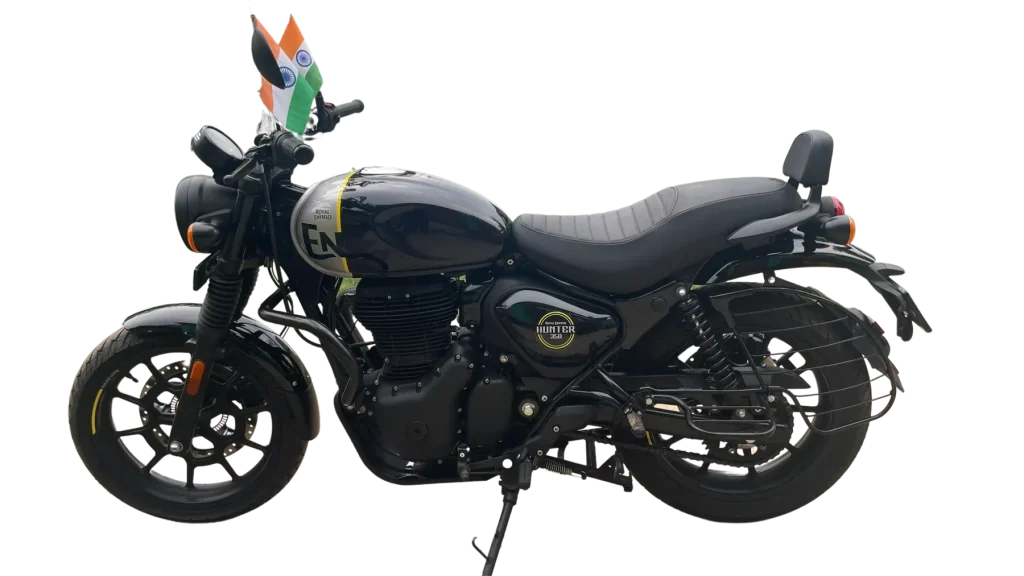
Use the same sensible route and the same checklist for each demonstration ride. Write down discomfort and uncertainty immediately after stopping.
A short ride cannot reveal a motorcycle’s long-term reliability. It can, however, answer a few concrete questions about comfort, controls and how well the bike suits your normal journey. Decide what you want to learn before the engine starts.
Agree the conditions first
Confirm the dealer’s requirements, permitted route and insurance arrangements. Ride only if you are properly licensed, equipped and comfortable with the conditions. Ask for a stationary explanation of unfamiliar controls before moving away.
Choose ordinary situations you can assess safely: joining traffic, making routine turns and riding at lawful speeds. A public-road test ride is not a place to explore the bike’s limits.
Use a small scorecard
| Observation | Write down |
|---|---|
| Control reach | Whether switches and levers are comfortable without awkward stretching. |
| Riding position | Any pressure or discomfort you actually notice, and when it starts. |
| Low-speed confidence | Whether the bike feels manageable during normal permitted manoeuvres. |
| Visibility | How useful the mirrors and instruments are for you. |
Record the limits
After stopping safely, note the route length, road conditions and whether you rode with luggage or a passenger. A ten-minute solo ride does not answer a question about two-hour touring comfort. Mark that question “not assessed” instead of awarding it an optimistic score.
If two bikes remain close, revisit the one uncertainty that matters most. A second, focused appointment can be more informative than collecting impressions from several unrelated rides.
This is a note-taking framework. It does not replace instruction from a qualified rider trainer or the operating guidance for the specific motorcycle.
Give the test ride a question to answer
A short ride becomes more useful when it has a purpose. If your commute includes stop-start traffic and a narrow parking entrance, assess control reach, low-speed confidence and pushing the stationary bike with permission. A brief burst of acceleration does not answer those ownership questions.
| Moment | Observation | Follow-up |
|---|---|---|
| Before moving | Can you reach the controls comfortably? | Try normal riding gear and adjust only as instructed |
| Ordinary traffic | Is anything tiring or awkward? | Repeat under comparable conditions if permitted |
| After parking | Can you manoeuvre the bike confidently? | Consider your actual parking slope and space |
| After dismounting | Where did pressure or discomfort appear? | Separate a fit issue from an unfamiliar control |
Record facts before the sales conversation
Write notes while the experience is fresh. “Wrists felt loaded after ten minutes” is more useful than “sporty”. “Could not judge pillion comfort” is better than assuming the passenger will like the seat. The limits belong beside the positives.
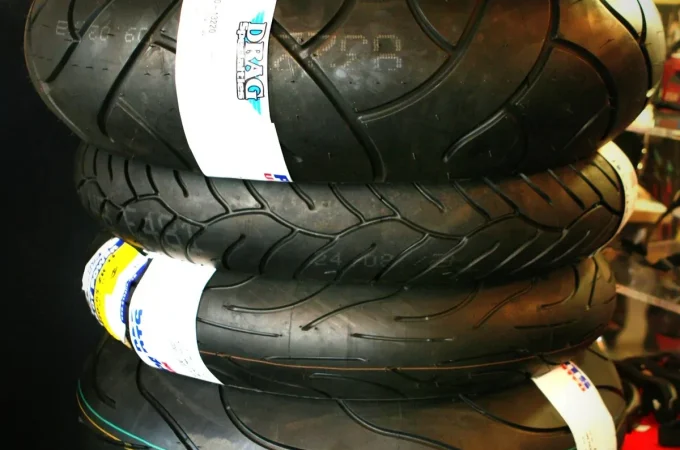
A demonstration bike may have different tyres, accessories or settings from the delivered variant. Ask what differs and request the owner manual’s adjustment guidance. Avoid changing suspension, tyre pressures or safety settings yourself. A longer supervised assessment may be needed if the short ride leaves an important fit question unanswered.

Amelia Brooks
Editorial pen namePractical guides to phones, two-wheelers and gaming from the NewsHoxs desk. Read the bio & browse all stories ↗
See our coverage methodology or send a correction.