Use a consistent walk-around, the owner manual’s procedures and a clear stop-riding rule for abnormal findings. A visual tyre glance does not replace a pressure measurement.
A useful pre-ride routine has an order. Without one, it is easy to notice a dirty mirror twice and miss a new fluid mark underneath the bike. Use the same starting point each time, while following the checks and intervals in your motorcycle’s owner manual.
Use a recognised framework
The Motorcycle Safety Foundation groups its T-CLOCS checklist into tyres and wheels, controls, lights and electrics, oil and other fluids, chassis, and stands. It includes checks such as tyre condition, cable condition, lighting and visible leaks.
The routine below is an organisational aid for ordinary owner checks. It does not replace the manual, scheduled servicing or inspection by a qualified technician. Do not improvise lifting, adjustment or repair procedures to complete a checklist.
Give each check a place in the walk-around
| Stage | Record | If something changed |
|---|---|---|
| Before moving the bike | Visible leaks, tyre appearance, loose luggage | Identify the cause before riding |
| At the controls | Control feel, mirrors and warning indications | Compare with the manual; investigate anything abnormal |
| Lights and visibility | Headlamp, indicators and brake light operation | Fix a fault before relying on the bike in traffic |
| Ready to leave | Fuel or charge, secured load, route and weather | Adjust the plan rather than rushing |
Use observations rather than a blanket “all good”. “No new mark under engine” is more useful than “checked bike”. When a control feels different, describe what changed. A short note helps you explain the issue to a workshop without guessing the cause.
Keep pressure checks separate from a visual glance
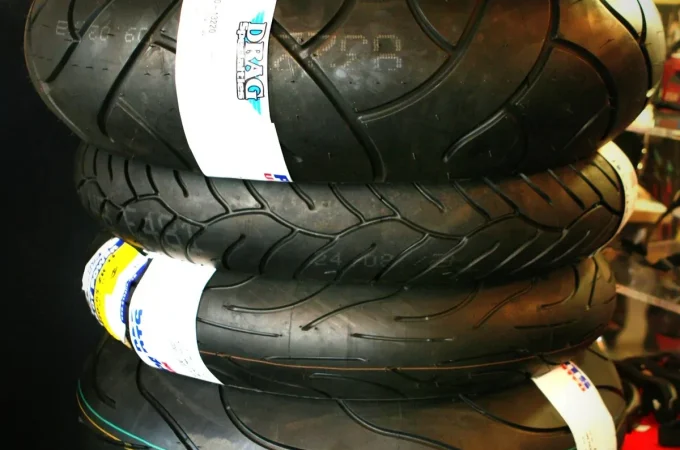
A tyre can look normal without being at the recommended pressure. Use the cold-pressure specification for your exact motorcycle and load, and follow the manual’s checking procedure. Our cold tyre-pressure guide explains how to make those readings comparable.
The same discipline applies to fluids: the correct method may depend on the motorcycle’s position, temperature or a sight-glass procedure. Reading a mark under the wrong conditions can lead to an incorrect conclusion. If the manual is unclear, ask the authorised service provider to demonstrate the owner check.
Decide in advance what stops the ride
- An unexplained leak or a new warning indication.
- A tyre defect, significant pressure loss or uncertain wheel condition.
- A brake or steering control that behaves differently from normal.
- Loose load or a fastening you cannot verify safely.
- A fault you are tempted to ignore because you are late.
This is not an exhaustive diagnosis list. The decision is whether you understand the bike’s condition well enough to continue. An unexplained change deserves attention, even when you cannot name the failed part.
Make the log small enough to use
Create one note with the date, odometer reading, observation and next action. For example: “20 October, 6,420km: rear pressure lower than last comparable cold check; rechecked gauge reading; workshop inspection arranged.” Avoid filling in a cause until it has been established.
When comparing ownership costs, include time and money for these checks as well as fuel. Our motorcycle ownership budget puts maintenance into the buying decision.
Make a defect note the workshop can use
Record what changed, when you noticed it and whether the motorcycle had just been ridden. “New clear fluid mark below the left side after parking” is useful. Guessing that a particular seal failed may send the conversation in the wrong direction. A photo can help, but do not move or run the bike just to reproduce a suspected fault.
Who should resolve an abnormal check?
Separate ordinary owner observations from repairs requiring tools, lifting or adjustment. If a brake control feels abnormal, a tyre is visibly damaged or a new leak is unexplained, the next step is to establish a safe repair or transport plan. Completing the remaining boxes does not cancel the unresolved defect.
Keep the last normal observation beside the new one. Over time, a short record makes changes easier to recognise and gives scheduled servicing more context than a general statement that the bike “feels different”.

Amelia Brooks
Editorial pen namePractical guides to phones, two-wheelers and gaming from the NewsHoxs desk. Read the bio & browse all stories ↗
See our coverage methodology or send a correction.