Choose a motorcycle you can manage confidently in your normal riding and parking conditions. Include training, gear and upkeep in the first-bike budget.
A motorcycle has to fit more than a photograph. It needs to suit your experience, the roads you use, where you park and the amount of everyday effort you are comfortable managing. Start with those details before choosing an engine size or a styling category.
Describe a normal week
Write down the length of your commute, the kind of traffic you encounter and whether you regularly carry luggage. Include the awkward details: a sloping parking space, a narrow gate or a crowded apartment garage. Those situations may tell you more about suitability than an occasional weekend trip.
Check the fit in person
The Motorcycle Safety Foundation advises choosing a motorcycle that is the right size and fit, especially for a beginner. Arrange a supported, stationary fit check at the dealer. Consider reach to the controls, riding posture and how manageable the motorcycle feels when being moved as instructed.
Wear the type of protective footwear you intend to ride in. Do not rely on a seat-height figure alone, and do not force a manoeuvre that feels beyond your current ability. Ask a qualified instructor for guidance if you are unsure what an appropriate fit looks like.
Ask about ordinary ownership
- Where is the nearest authorised service location?
- What does the owner’s manual require, and at which intervals?
- What is included in the written purchase quote?
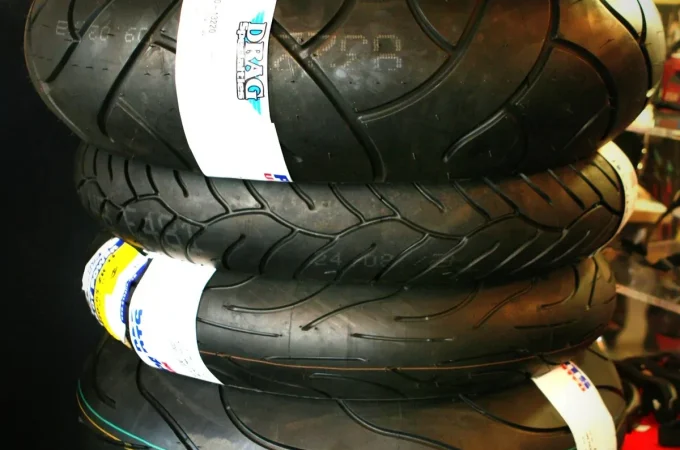
- Can you obtain correctly sized tyres and ordinary replacement parts locally?
- Which riding and parking situations remain untested?
Budget for the rider as well
Leave room for suitable protective equipment and training. MSF’s courses are one example in the United States; use a qualified provider appropriate to your own location and licence requirements.
A good shortlist should include a reason each bike fits your routine and a question that still needs answering. Our ownership-cost worksheet helps turn that shortlist into a more complete comparison.
Test the difficult part of your own route
The hardest ownership moment may be reversing out of a sloping parking space rather than travelling on an open road. Measure the space where the bike will live and think about how you will enter and leave it. With the dealer’s permission and supervision, check whether you can manoeuvre the shortlisted motorcycle comfortably while stationary.
| Your situation | What deserves attention |
|---|---|
| Congested daily commute | Control reach, clutch effort and manageable low-speed behaviour |
| Shorter rider or uneven parking | Actual reach and balance with normal riding footwear |
| Regular passenger | Passenger seating and the documented load limits |
| Occasional riding | Training, storage and a realistic maintenance routine |
Leave room to learn
A first purchase does not need to anticipate every possible journey. Start with the work the bike will do most often. A manageable machine that supports regular practice can be a better fit than buying for a rare trip while accepting daily difficulty.
Keep the first ownership month simple: learn the manual, complete a suitable training course and build familiarity under appropriate conditions. Record service appointments and essential checks. Accessories can wait until you understand whether they solve a real problem with your route, luggage or comfort.

Amelia Brooks
Editorial pen namePractical guides to phones, two-wheelers and gaming from the NewsHoxs desk. Read the bio & browse all stories ↗
See our coverage methodology or send a correction.