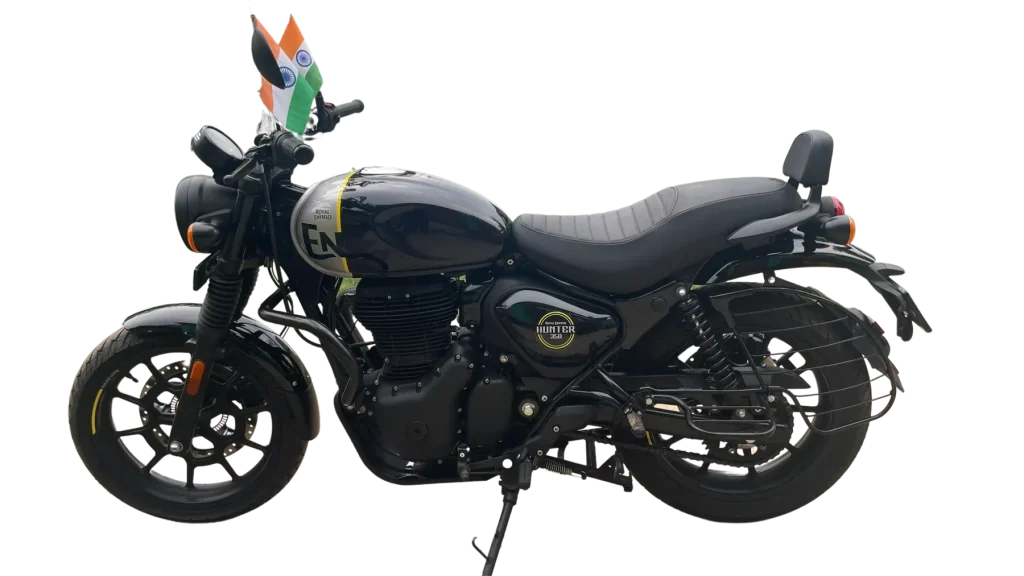
Budget for the motorcycle, protective gear, scheduled upkeep and irregular expenses together. Compare written quotes on the same basis before deciding what is affordable.
A motorcycle’s advertised price is a starting point. The more useful number is what it will take to buy, equip, maintain and use the bike for your own journeys. Two similarly priced motorcycles can create different demands on your time as well as your wallet.
Ask for an itemised quotation
Request a written breakdown from the dealer. Separate the motorcycle, local registration charges, insurance, accessories and optional packages. Ask which items are required for the transaction and which you can decline. Prices and requirements vary by location, so use a quotation for your actual purchase rather than a social-media example.
Estimate a normal month
Write down your likely distance, parking arrangement and routine journeys. For fuel, use a realistic consumption estimate and the current local price, then keep a margin for a different riding pattern. Treat a manufacturer’s stated efficiency figure as a reference, not a guarantee for your commute.
| Expense | Evidence to collect |
|---|---|
| Scheduled service | Owner’s-manual intervals and a local workshop estimate. |
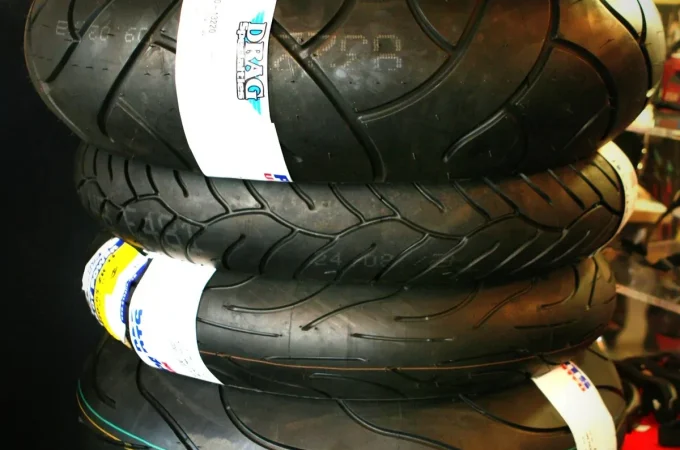
| Tyres and wear items | Prices for the correct approved sizes and parts. |
| Insurance renewal | A quotation suited to the rider, location and cover required. |
| Equipment and storage | Properly fitting protective gear, a suitable lock and any parking fees. |
Count inconvenience too
Find out where servicing happens, how appointments are booked and how common parts are supplied. If a routine visit requires a long trip or a day away from work, record that alongside the invoice estimate.
Keep one column for confirmed costs and another for assumptions. Update the assumptions after your first few months of ownership. This worksheet is a planning aid; it is not a finance recommendation or a promise about a particular model’s running costs.
Turn the running cost into a monthly allowance
For a planning example, assume 800 km a month, a hypothetical 40 km/l and petrol at an illustrative ₹100 a litre. Fuel would be 800 ÷ 40 × 100 = ₹2,000 a month. Replacing the economy assumption with 32 km/l raises the same calculation to ₹2,500. That ₹500 difference is a reason to leave room in the budget, not a measured prediction for any model.
| Cost | How to record it | When to revisit |
|---|---|---|
| Purchase | Written on-road quote with each charge identified | Before paying a deposit |
| Fuel | Monthly distance ÷ assumed km/l × local price | When distance or prices change |
| Servicing | Manual intervals and itemised workshop estimates | Before the next scheduled service |
| Wear and contingencies | Separate allowance for tyres and unexpected needs | After an inspection or use change |
Keep finance and resale assumptions visible
A low instalment can hide a longer term or an upfront payment. Compare total payable, fees and insurance obligations using the finance provider’s actual documents. Do not fund an essential purchase on the assumption that a future resale price will be guaranteed.
Set aside gear money before treating the remainder as the bike budget. The result may change the variant you can comfortably own. If a purchase leaves no room for normal upkeep, reducing the purchase price is often more useful than stretching every running-cost assumption until the numbers fit.

Amelia Brooks
Editorial pen namePractical guides to phones, two-wheelers and gaming from the NewsHoxs desk. Read the bio & browse all stories ↗
See our coverage methodology or send a correction.