Roblox’s 14 October 2026 announcement scheduled a São Paulo Creator Showdown for 15 October. This article explains the announced format and does not report an unverified winner.
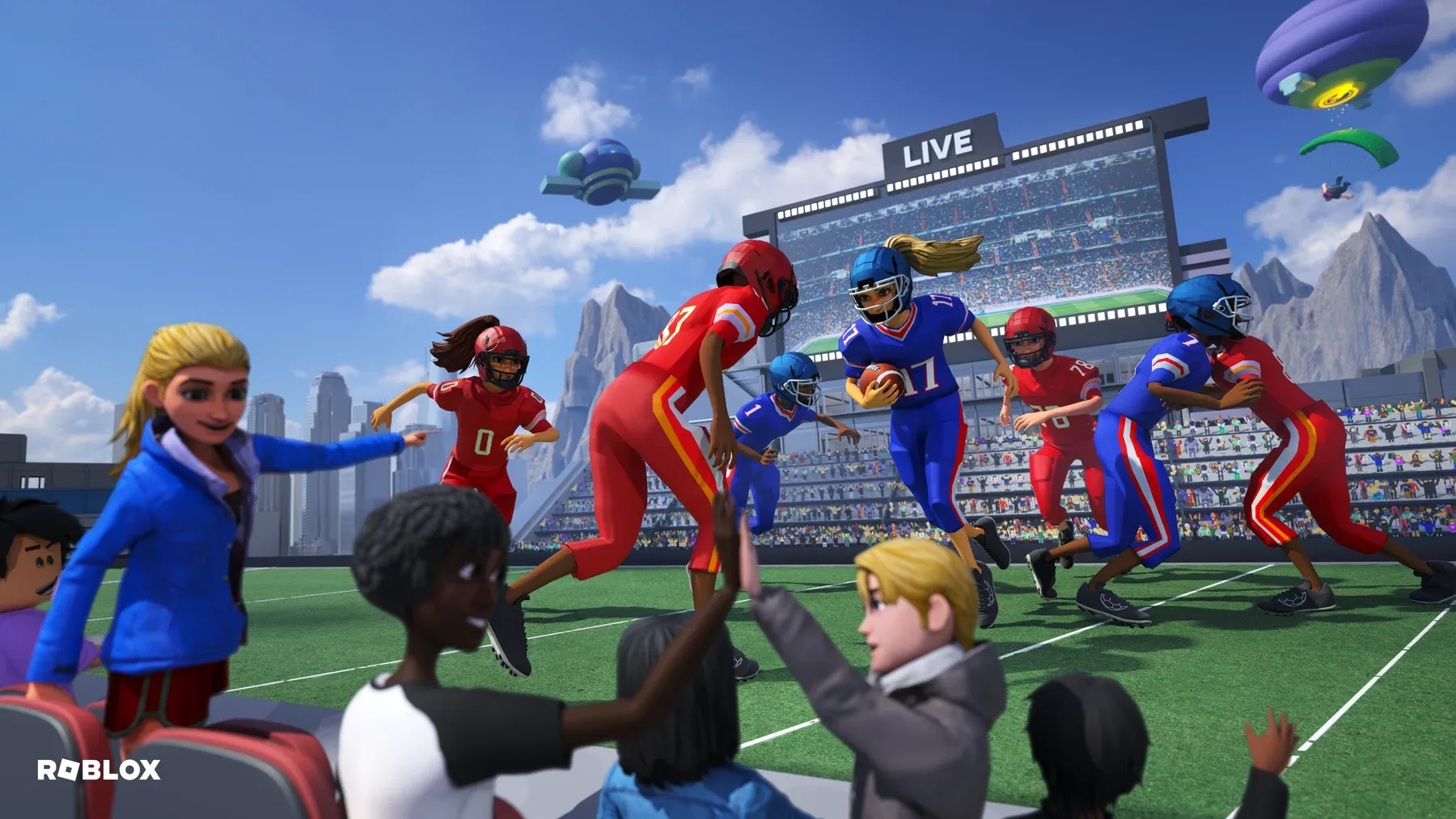
Roblox announced on 14 October 2026 that its Creator Showdown would go to São Paulo, with the event scheduled for the following day. The publisher described it as its first international esports showdown and its third annual Creator Showdown.
What was announced
The format brought eight Brazilian creators together in four pairs across five Roblox games. The announcement listed a first-place prize of R$50,000 and additional prizes for the remaining teams. It also outlined Portuguese- and English-language broadcasts on official channels.
The scheduled game list included Showdown, Clean Crew, FIFA Super Soccer, Beat Battles and Killstreak Battle Royale. Those are announcement details, not results: this article does not report a winner or imply that NewsHoxs attended the event.
Why the format is interesting
Our reading of the format is that moving between games makes adaptability part of the attraction. A viewer can watch the same pair approach different tasks, rather than seeing a single game’s skill set repeated for an entire broadcast.
There is also a useful distinction between enjoying a creator’s performance and choosing a game for yourself. A produced tournament may use rules, settings or a structure that differs from an ordinary public session.
Watch highlights with their context
Look for the event on Roblox’s verified broadcast channels. Because the scheduled date has passed, check those channels for an available recording or an official follow-up before relying on reposted clips as a complete account of the event.
When watching a clip, look for its game, round and source. Those small details help distinguish a highlight from a final result and make it easier to find the surrounding context.
Read a tournament clip with its round attached
A dramatic moment can circulate after the event without its match context. Before treating a clip as a result, identify the game, the teams, the round and whether the score shown belongs to that round or the overall contest. A creator winning one game does not establish the event champion.
| Detail | Why to keep it |
|---|---|
| Game and round | Different tasks may reward different skills |
| Team pairing | The announced format uses pairs |
| Scoring context | A single highlight may not show the event standings |
| Broadcast or recording date | Distinguishes the scheduled event from a later repost |
What the format can show a player
A multi-game contest is useful for discovering activities you might otherwise overlook. Watch how a team explains a new objective, divides tasks and recovers after a mistake. Those behaviours can be interesting even when you do not intend to compete.
For your own group, check the public version of any featured experience. A tournament production may use a particular format, and a creator’s familiarity can make an opening task look quicker than it will feel to a new player. Use the event to find something to investigate, then judge the ordinary session on its own terms.

Amelia Brooks
Editorial pen namePractical guides to phones, two-wheelers and gaming from the NewsHoxs desk. Read the bio & browse all stories ↗
See our coverage methodology or send a correction.