Choose an e-bike’s motor around your route and repair options, rather than treating hub drive or mid-drive as a quality grade. A useful comparison asks where the assistance enters the drivetrain, which parts need routine attention and who can service the complete system near you.
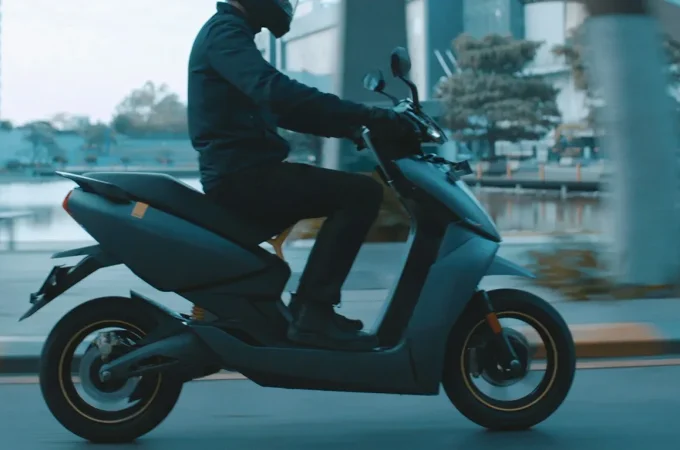
This guide concerns electric bicycles. It does not compare electric motorcycles or promise that a particular power or speed is legal in every market. Check the classification of the exact bike where you will use it.
First, locate the motor
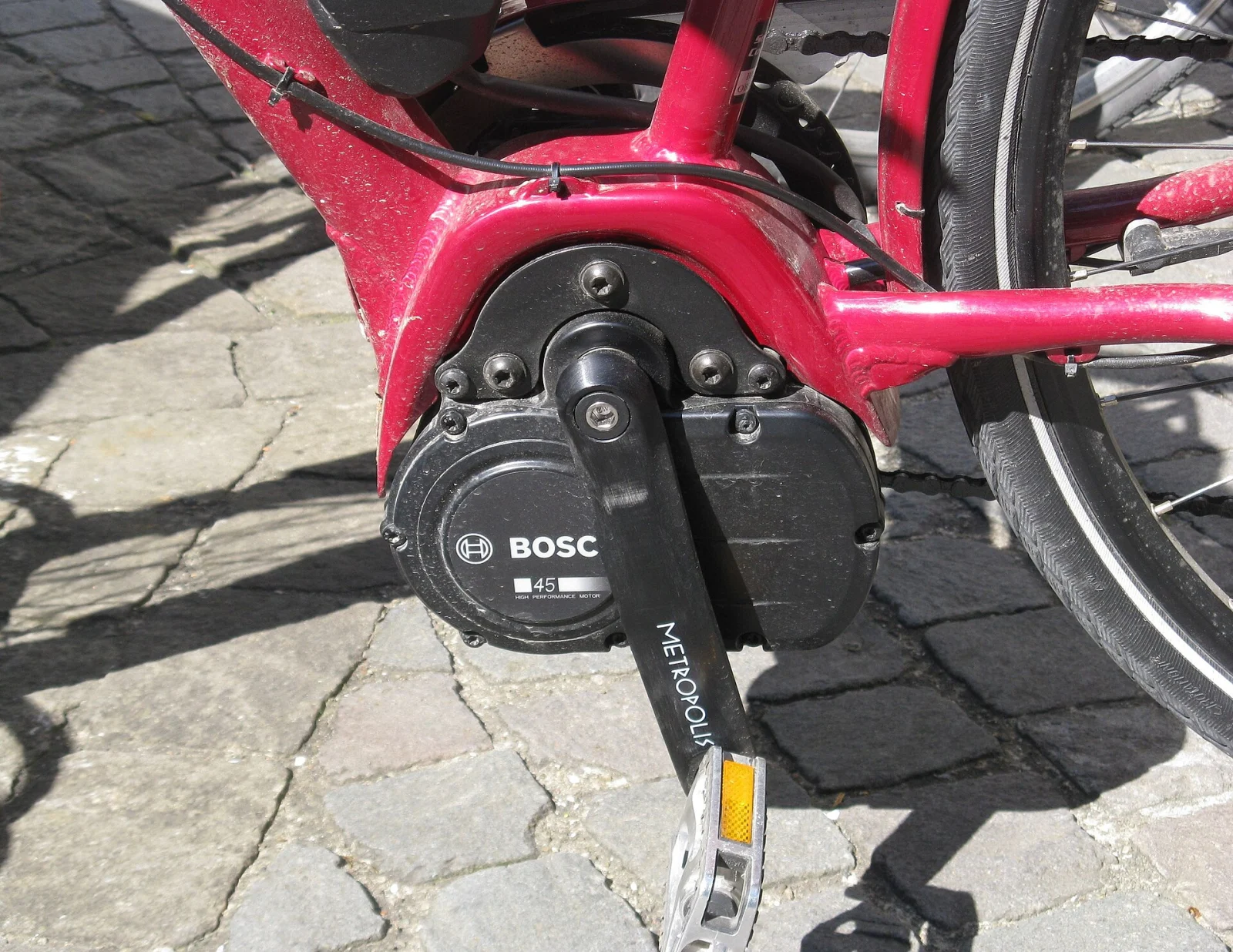
A hub motor sits in a wheel hub. A mid-drive sits around the crank area and applies assistance through the bicycle’s drivetrain. Bosch’s current drive-unit catalogue includes both arrangements, which is a useful reminder that the position alone does not tell you whether a system is modern or suitable.
On a geared mid-drive bike, your selected gear helps determine how the motor’s assistance reaches the rear wheel. That makes sensible gear selection part of the riding technique. A hub drive applies assistance at its wheel instead; the details still depend on the particular motor, sensors and controller.
| Question | Hub drive | Mid-drive |
|---|---|---|
| Where is assistance applied? | At the motorized wheel | Around the crank, through the drivetrain |
| What should the shop demonstrate? | Assistance response and the motor-wheel removal procedure | Assistance response and appropriate gear changes |
| What deserves an ownership quote? | Motor-wheel work, connectors and system diagnostics | Chain or belt, gearing and system diagnostics |
| What decides the purchase? | The whole bike and local service support | The whole bike and local service support |
Use your steepest regular hill as the comparison
Tell the shop about the climb you actually repeat, including its length, whether you stop halfway and what you carry. A short unloaded demonstration on flat ground cannot answer that question. If a suitable test route is available, compare bikes with similar assistance settings and realistic luggage.
A mid-drive’s relationship with the gears can be useful on climbs, but it does not make every mid-drive the winner. Controller behaviour, available gears, total load and thermal limits all matter. Equally, a comfortable hub-drive commuter should not be dismissed simply because another bike advertises a larger torque number measured elsewhere in the system.
Ask how a puncture is repaired
A motorized wheel can introduce additional handling and connector steps when it is removed. Ask for the exact procedure, not a general assurance that any bicycle shop can do it. Find out whether your preferred repairer supports that system and whether roadside repair arrangements cover it.
With a mid-drive, ask about drivetrain inspection and replacement costs. The motor’s position does not make the chain, belt, sprockets or gears maintenance-free. Bosch describes its Hub Line gearbox as maintenance-free; that is a statement about that component, not about every part of a bicycle using it.
Separate motor choice from battery range
The battery and the route still deserve their own assessment. Do not choose a range figure from one bike and apply it to another simply because the motors sit in the same place.
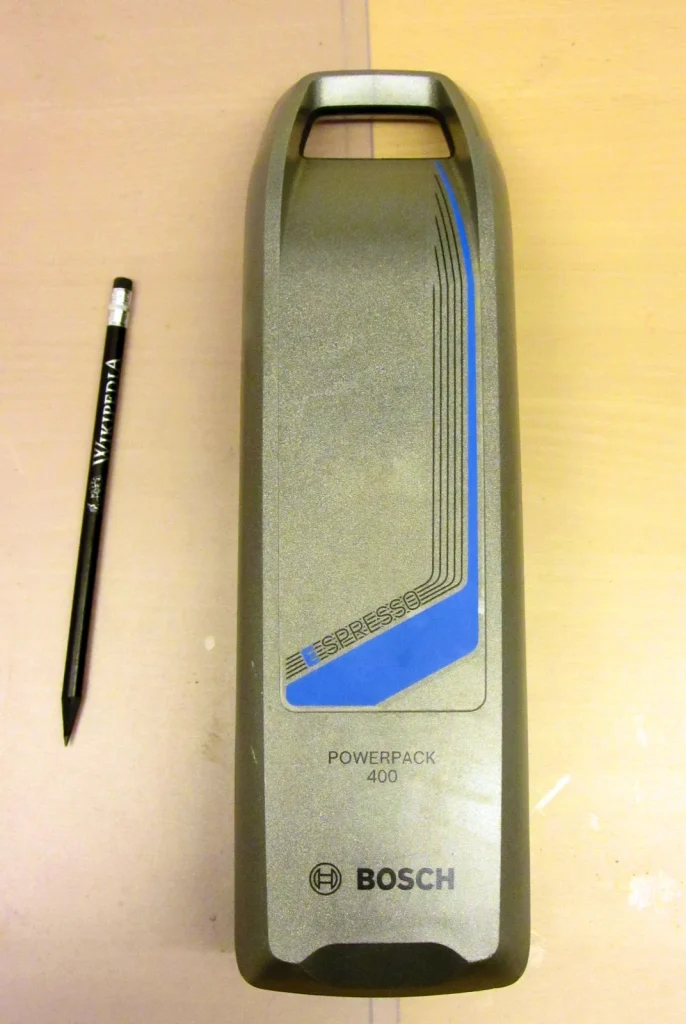
For scale, consider a hypothetical 500Wh battery. At an assumed average electrical use of 10Wh per kilometre, simple division gives 50km. At 15Wh per kilometre, it gives about 33km. These are arithmetic examples before any reserve, battery ageing or system limits; they are not measured ranges for a real model. The change in assumption is more important than a neat headline number.
Our e-bike buying checklist covers battery removal, fit and local support alongside the motor.
Keep routine care within the manufacturer’s instructions
Use the cleaning method specified for your bicycle and drive system. Bosch warns against high-pressure cleaning of sensitive e-bike components and against letting chain lubricant reach the disc brake. A motor that works perfectly can still be part of an unsafe bicycle if brake contamination or worn transmission parts are ignored.
Ask the retailer to write down the compatible battery, charger and replacement-part route. A low purchase price is less useful when the battery cannot be sourced or the nearest service centre will not support the system.
A short decision worksheet
- Write your longest regular journey and most demanding climb.
- List the load, storage and charging arrangements the bike must handle.
- Obtain the repair procedure and routine-service quotation for each candidate.
- Try starting, stopping and changing assistance in a permitted test ride.
- Choose the complete bike that meets those needs with service you can actually use.
Motor placement helps explain an e-bike. It should not replace an assessment of the bicycle you will live with.

Amelia Brooks
Editorial pen namePractical guides to phones, two-wheelers and gaming from the NewsHoxs desk. Read the bio & browse all stories ↗
See our coverage methodology or send a correction.