The best e-bike charging routine is one you can follow at home every day. Start with the exact battery and charger combination, then decide where and when charging fits your household. A bike that suits your commute can still be awkward to own if there is no suitable place to charge it.
This guide concerns pedal-assist bicycle batteries. It does not replace a battery manual or certify an unknown charger. For questions about choosing the whole bike, start with our pedal-assist e-bike buying checklist.
Record the battery and charger as a pair
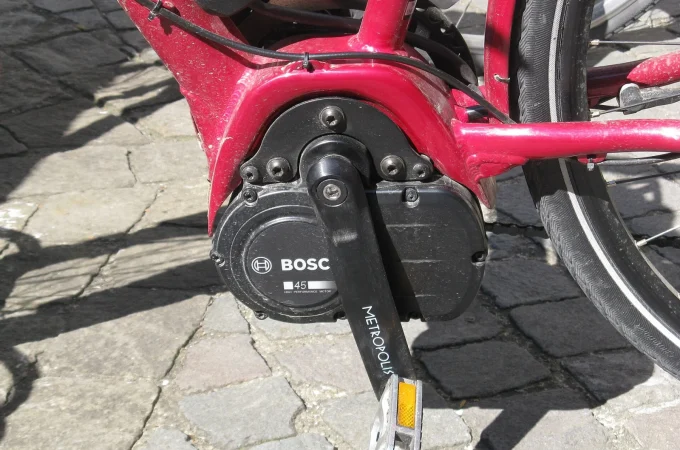
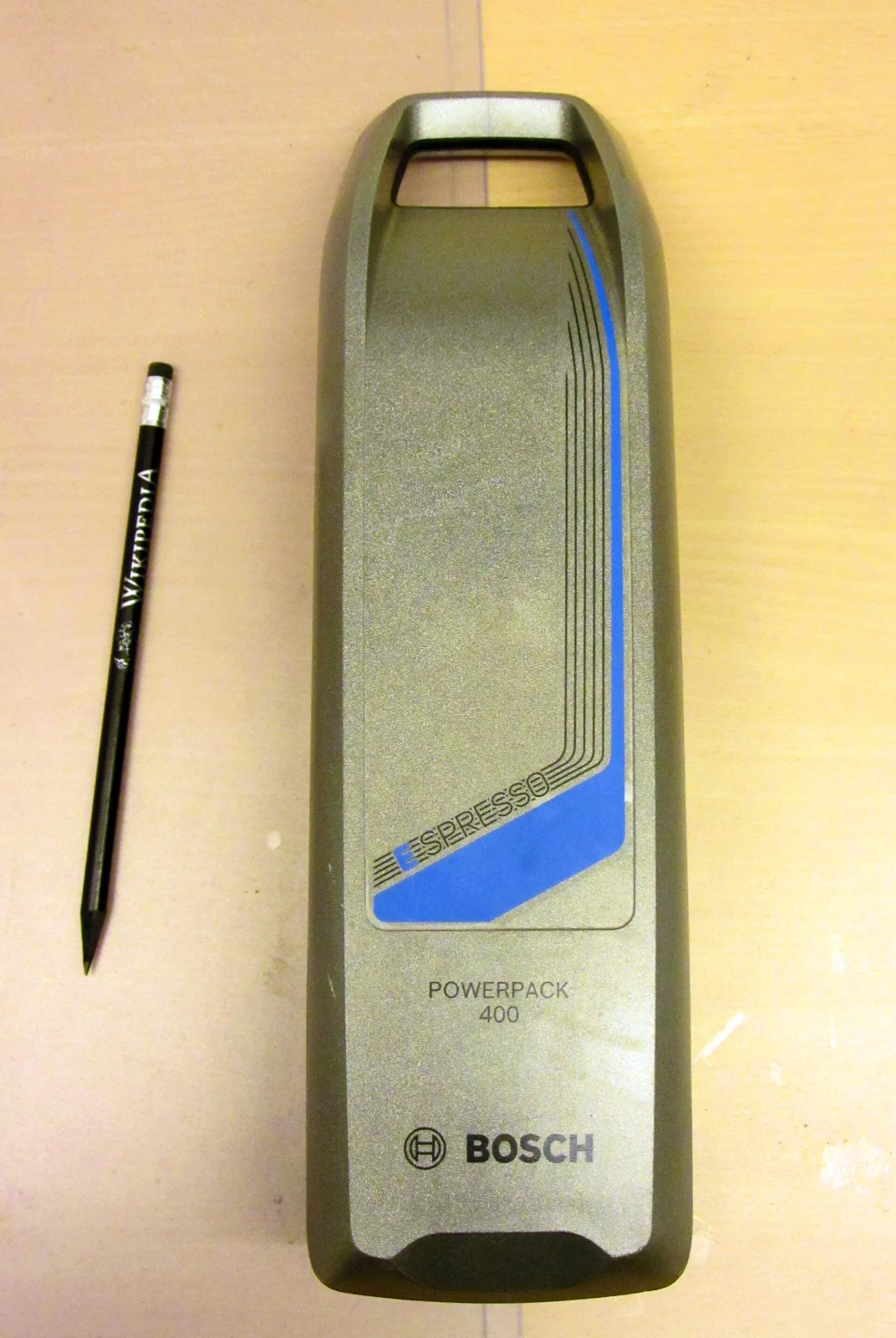
Make a small equipment record with the bicycle model, battery identification and charger model. Photograph the labels for your private records. Keep the manual or its official download location alongside them, so a replacement purchase starts with a verified specification rather than a connector photograph.
The US Consumer Product Safety Commission advises using the charger supplied with the product or recommended by its manufacturer. It also advises using replacement battery packs confirmed by the manufacturer as tested and approved. A plug that enters the socket is not enough evidence of compatibility.
Choose a charging place before a charging percentage
Bosch’s battery guidance calls for suitable dry, ventilated charging conditions away from heat and combustible materials, within the battery’s specified temperature range. CPSC advises being present while charging, avoiding charging while asleep or away, and unplugging when charging is complete.
Turn those conditions into a realistic household decision. Ask where the charger will sit, who will be present and when charging can finish. Avoid planning around a space that is available only occasionally. If the setup depends on a landlord, employer or building manager, settle the practical arrangements before buying the bicycle.
| Decision | Write down | Unresolved example |
|---|---|---|
| Equipment | Battery and approved charger identifiers | The seller supplied an unlabelled charger |
| Place | A location meeting the manual’s conditions | The only proposed space is unsuitable |
| Time | A period when someone will be present | Charging is possible only overnight while asleep |
| Support | Manufacturer or authorised service contact | No one can identify a replacement battery |
Build a short check into the daily routine
Before connecting, look for damage to the battery, connector or cable and follow the manual’s connection sequence. Bosch advises against using damaged batteries or attempting repairs yourself. Stop using equipment that is damaged or behaving abnormally and contact the manufacturer or an authorised service provider.
Keep the routine simple enough to repeat: identify the equipment, check its condition, use the planned location, and return to disconnect it when finished. An elaborate tracking sheet is of little use if it distracts from these basic observations.
Match charging to the journey you actually make
Consider two hypothetical owners of the same bicycle. One rides a short weekday route and charges at home after work. The other travels irregularly and keeps the bike unused for long periods. They need different schedules even though the equipment is identical.
Use your normal journey and the battery manual to choose a routine. Do not assume that a percentage recommended for one manufacturer’s long-term storage is the daily charging target for every battery. Record range observations separately from charging instructions; a low-range day is not permission to substitute an unapproved charger.
Plan for storage and eventual replacement
For a long break, consult the exact manual for storage charge level, temperature and inspection intervals. CPSC says used lithium batteries need appropriate battery recycling or hazardous-waste handling, rather than household rubbish or general recycling. Check the local collection arrangements before transporting a retired pack.
There is an ownership cost here as well as a technical question. When comparing hub-motor and mid-drive e-bikes, add battery availability and local service to the comparison. A clear replacement route and a workable charging place can matter more to everyday ownership than a specification that rarely affects your route.

Amelia Brooks
Editorial pen namePractical guides to phones, two-wheelers and gaming from the NewsHoxs desk. Read the bio & browse all stories ↗
See our coverage methodology or send a correction.