Choose an electric bicycle around fit, assistance behaviour, carrying needs and where it will charge. Battery watt-hours alone do not predict how far you will comfortably ride.
An electric bicycle can look ideal on a specification sheet and still be awkward to carry upstairs, lock outside or pedal home. Before comparing motor numbers, describe the job: how far you ride, what you carry, where you store the bike and how you will recharge it.
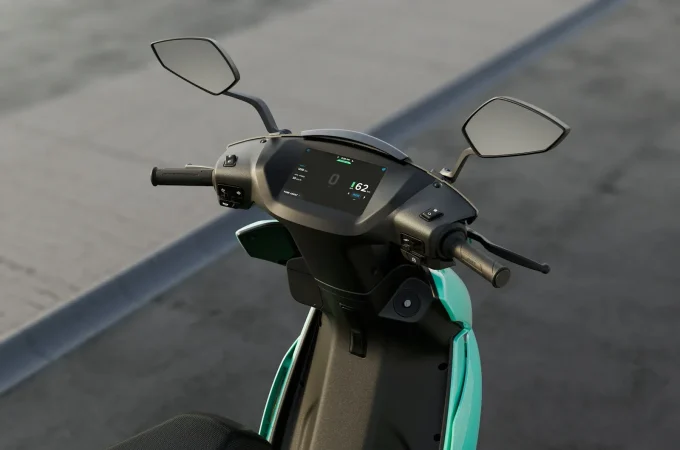
Separate a pedal-assist bicycle from an electric scooter
This guide concerns bicycles with motor assistance while pedalling. An electric scooter is a different vehicle and ownership proposition. Assistance limits, throttle rules and road classifications depend on the exact product and local rules; verify those with the seller and the relevant authority before purchase.
If your intended vehicle is a scooter, start with our electric scooter commute and range worksheet. For a bicycle, fit and ordinary cycling practicality deserve as much attention as the electrical system.
Read watt-hours and watts as different information
Watt-hours describe an amount of energy; watts describe power. Multiplying a battery’s nominal voltage by its amp-hour rating gives nominal watt-hours. An illustrative 36V × 10Ah label therefore represents 360Wh. That calculation alone does not tell you the range, usable energy or condition of the battery.
Bosch offers different battery formats and capacities, including frame-mounted and integrated designs. Its riding advice explains that assistance level and rider effort affect the experience. Explore the battery formats and the manufacturer’s riding advice as background, then check the exact bike’s documentation.
Use a showroom worksheet
| Check | Try or confirm | Record before paying |
|---|---|---|
| Fit and handling | Start, stop, turn and reach the controls comfortably | Frame size and any adjustments needed |
| Storage | Measure your doorway, parking space and lifting route | Total weight and whether you can handle it |
| Battery access | Ask for a demonstration of removal and refitting if supported | Charging location and approved charger |
| Daily load | Check compatible racks, luggage and stated load limits | What is included in the quoted price |
| Service | Identify who handles mechanical and electrical faults | Service location, warranty terms and parts support |
For an upstairs flat, lifting can be the decisive test. Ask to handle the actual configuration you are buying, including accessories. A removable battery may make part of the process easier, but it does not make the remaining bicycle weight disappear.
Test the riding job, not just the strongest assistance
On a permitted demonstration ride, try ordinary starts and turns before experimenting with assistance modes. Note how confidently you can manage the bike at low speed. Ask how it behaves without assistance and try that only where it is safe to do so.
Write down the route, mode and load when comparing any demonstration range figure. A short showroom ride cannot establish a full battery range. It can, however, reveal whether the fit, controls and everyday handling work for you.
Resolve charging and service before choosing a colour
- Use the manufacturer-approved battery and charger combination.
- Follow the supplied instructions for charging and storage conditions.
- Ask how replacement battery compatibility is identified; appearance is not enough.
- Get written details of warranty coverage, exclusions and service arrangements.
- Keep the serial number, receipt and key information somewhere separate from the bicycle.
The decision: shortlist the bikes that fit your body, route and storage. Compare electrical specifications within that shortlist. No product in this guide has been road-tested by NewsHoxs.
Compare the trip as a complete task
A commute may include stairs, a train entrance or a narrow storage area after the riding ends. Ask for the complete bicycle weight and what the manufacturer allows you to remove. Check how the battery is secured and whether carrying it separately is practical for your home.
| Task | What to check |
|---|---|
| Starting on your usual terrain | Assistance response and a suitable gear |
| Riding with assistance reduced | Whether the bicycle remains comfortable to pedal |
| Parking and storage | Weight, space and the approved locking arrangement |
| Charging at home | Approved charger, battery handling and a suitable location |
Count the support network with the hardware
Before choosing an unfamiliar system, establish who can service it locally and how replacement parts are supplied. A low purchase price may be less useful if a specific battery or charger becomes difficult to replace. Use only compatible equipment approved for the system and follow its storage and charging instructions.

Amelia Brooks
Editorial pen namePractical guides to phones, two-wheelers and gaming from the NewsHoxs desk. Read the bio & browse all stories ↗
See our coverage methodology or send a correction.