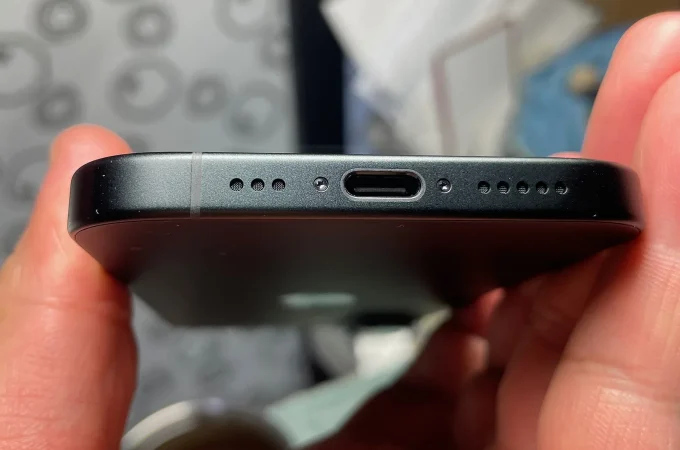
Start with your two hardest daily tasks and your ownership budget. A phone that solves those tasks is a stronger choice than one that wins an irrelevant specification contest.
The best starting point for a phone purchase is the one already in your pocket. Which part of using it is frustrating: charging before dinner, missing photographs, running out of storage, or struggling to read the screen? A clear answer makes a crowded specification sheet much easier to use.
Write a three-item brief
Choose three needs and put them in order. For example: reliable indoor photographs, comfortable one-handed use and enough storage for offline video. Give each candidate the same brief. A phone that excels at a feature you rarely use should not automatically displace one that solves your main problem.
Keep preferences separate from requirements. A colour is a preference; compatibility with a work application may be a requirement. That distinction helps when the most attractive model misses something essential.
Make the shop visit useful
| Check | Try this |
|---|---|
| Comfort | Hold the phone with a case, reach the top of the screen and type a short paragraph. |
| Display | Read small text at a comfortable brightness. Compare outdoors if the retailer allows it. |
| Camera | Photograph the same permitted subject on each shortlisted phone. |
| Storage | Check your current usage and allow room for the years you expect to keep the replacement. |
Compare the complete purchase
Record the exact storage variant, included accessories, warranty region and return conditions beside the price. Add any charger or case you actually need. Avoid comparing a base model with an upgraded storage model without noticing the difference.
Then check the manufacturer’s software-support policy. Our update-support guide explains why remaining support can matter more than the original launch promise.
Leave with a reason, not a ranking
A good decision fits in one sentence: “This model meets my camera and size requirements, has enough storage and fits my total budget.” If you cannot explain the choice without quoting a benchmark, revisit your brief. This is a decision framework, not a tested ranking of specific phones.
Build a shortlist that can reject a phone
Write three non-negotiables before looking at offers. For a commuter, these might be reliable access to required work apps, enough local storage for offline travel and comfortable one-handed use. A model that fails one of them should leave the shortlist even if its camera specification is exciting.
| Buyer | Deciding check | Lower priority |
|---|---|---|
| Family photographer | Repeatable indoor photographs and available storage | A benchmark peak |
| Work commuter | Required apps, reception compatibility and support remaining | Decorative camera modes |
| Frequent traveller | Offline files, charging setup and regional SIM support | A large screen that is uncomfortable to carry |
Compare the ownership total
Use the actual written offer: phone, necessary charger, case or protection you intend to buy, financing costs and any trade-in conditions. Then divide the total by your expected months of use. An illustrative ₹48,000 total over 48 months is ₹1,000 a month. It is a budgeting example, not a quoted device price.
Before checkout, use the shortlisted phone with the tasks you wrote down. Type a longer message, read a page outdoors if allowed, check camera framing and inspect the storage variant on the invoice. Keep the model number and return conditions with your receipt. A careful purchase is easier when the final decision still refers to your original needs.

Amelia Brooks
Editorial pen namePractical guides to phones, two-wheelers and gaming from the NewsHoxs desk. Read the bio & browse all stories ↗
See our coverage methodology or send a correction.