The iPhone 16 suits a buyer who wants a relatively compact iPhone and its main-camera and ultrawide combination. Compare the exact storage offer, remaining ownership costs and your file-transfer needs before paying for it.
The iPhone 16 is a 2024 model, so a purchase today should be judged against the actual offer and the alternatives available to you. Its age does not automatically make it a poor choice, and a lower price does not automatically make it good value. Start with what you would gain over your current phone and what you would still have to buy.
The specifications that change the decision
| Item | Documented specification | Buying implication |
|---|---|---|
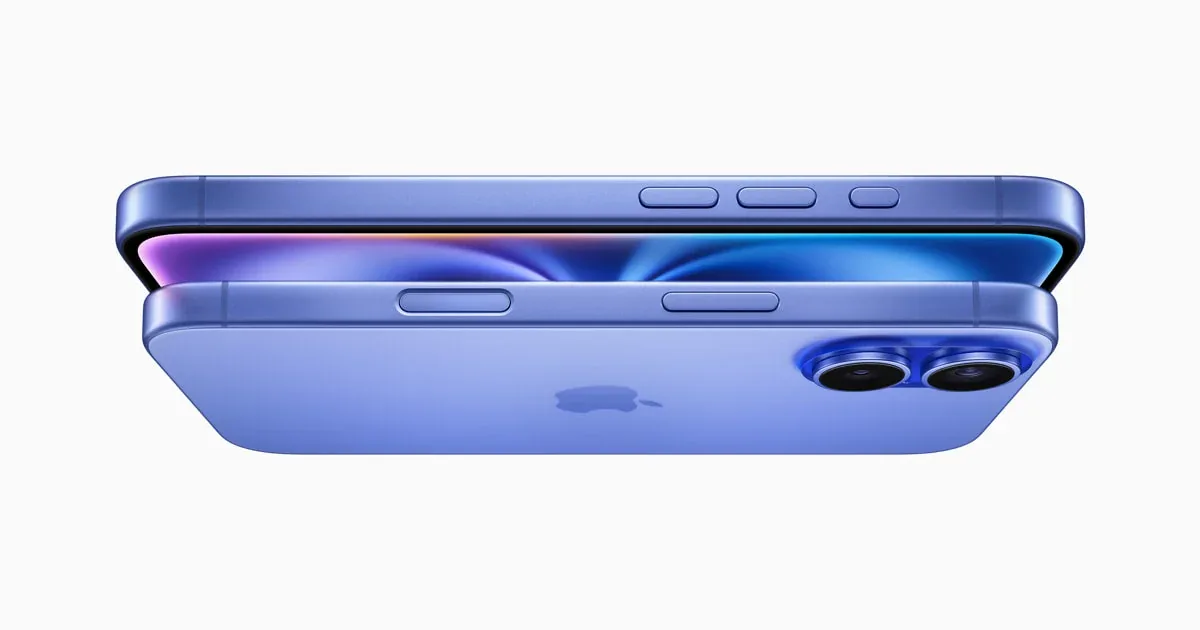
| Display and size | 6.1-inch OLED; 170 g | Check reading comfort and one-handed reach with a case |
| Processor | Apple A18 | An identifier of the platform, not a NewsHoxs performance score |
| Rear cameras | 48MP main and 12MP ultrawide | Useful focal-length choices; compare your actual subjects |
| Listed capacities | 128GB, 256GB and 512GB | Budget for files over the years you intend to keep it |
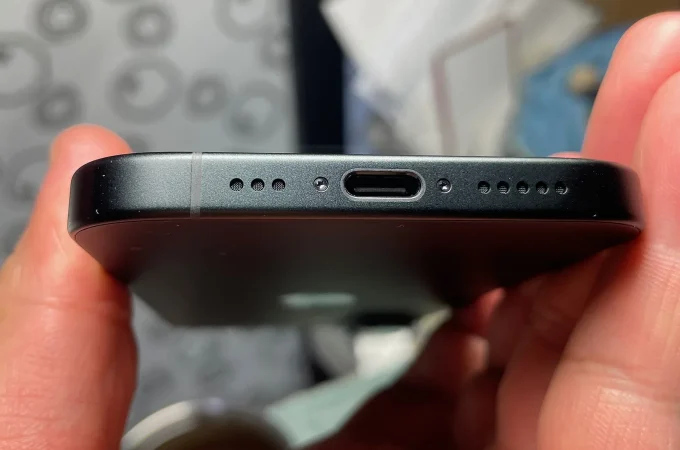
| Wired data | USB-C with USB 2, up to 480 Mb/s | A faster cable does not turn this port into a Pro-model data connection |
These figures describe Apple’s base iPhone 16 documentation checked on 21 October 2026. They do not describe the Plus, Pro, Pro Max or 16e. Apple’s camera system also provides a 2x view through the main-camera system; do not mistake that for an additional separate rear telephoto camera.
Camera: choose a subject before a specification
For a family buyer, the useful comparison is a person moving indoors, a bright window behind a face and a short handheld video. Ask to compare original files under equivalent conditions. A resolution figure cannot tell you whether a particular moment was sharp or whether you like the processing of a face.
If a long zoom view is the reason you are replacing your phone, make that a separate demonstration task. Judge the framing and result you will actually use. Do not infer distant-subject performance from an attractive photograph made at the main camera’s normal view. Our camera comparison worksheet gives you a repeatable approach.
Storage and transfers belong in the same conversation
A buyer who records large videos needs enough local room and a practical way to move files. Estimate today’s used storage, expected growth and update headroom. Then test the transfer method you intend to use. Someone editing on a computer every week has a different workflow from someone sharing short clips directly from the phone.
The base model’s documented USB data capability makes that check particularly relevant. Buy the cable and computer connection for the actual task, while recognising the phone port’s own limit. Keep original files until a copy is verified. A storage upgrade can postpone cleanup; it does not by itself make the transfer workflow faster.
Where the value case is strongest — and where to pause
The strongest case is a buyer whose required apps, preferred size and camera needs fit the phone, with a written offer comfortably below their complete ownership budget. Pause if the purchase depends on an untested camera expectation, an assumed high-speed wired workflow or storage that already looks tight.
For a used unit, inspect battery information, physical condition, account removal and the return terms. For any unit, confirm the regional model, capacity, warranty and SIM arrangement on the actual sale documents. Add any necessary charger and accessories before comparing totals. We have not benchmarked this handset or measured its battery endurance; this is an analysis of documented hardware and buying trade-offs.

Amelia Brooks
Editorial pen namePractical guides to phones, two-wheelers and gaming from the NewsHoxs desk. Read the bio & browse all stories ↗
See our coverage methodology or send a correction.