A low serve is not automatically a legal serve. Position, foot contact, release and racket movement all matter. To understand a disputed service, identify the part of the action being questioned before arguing about where the shuttle landed.
This guide uses the standard BWF Laws of Badminton, Version 5.0 (2), in force from 26 April 2025. Approved alternative laws and Para badminton provisions can differ; confirm the rules in use at the event.
Use a short sequence of checks
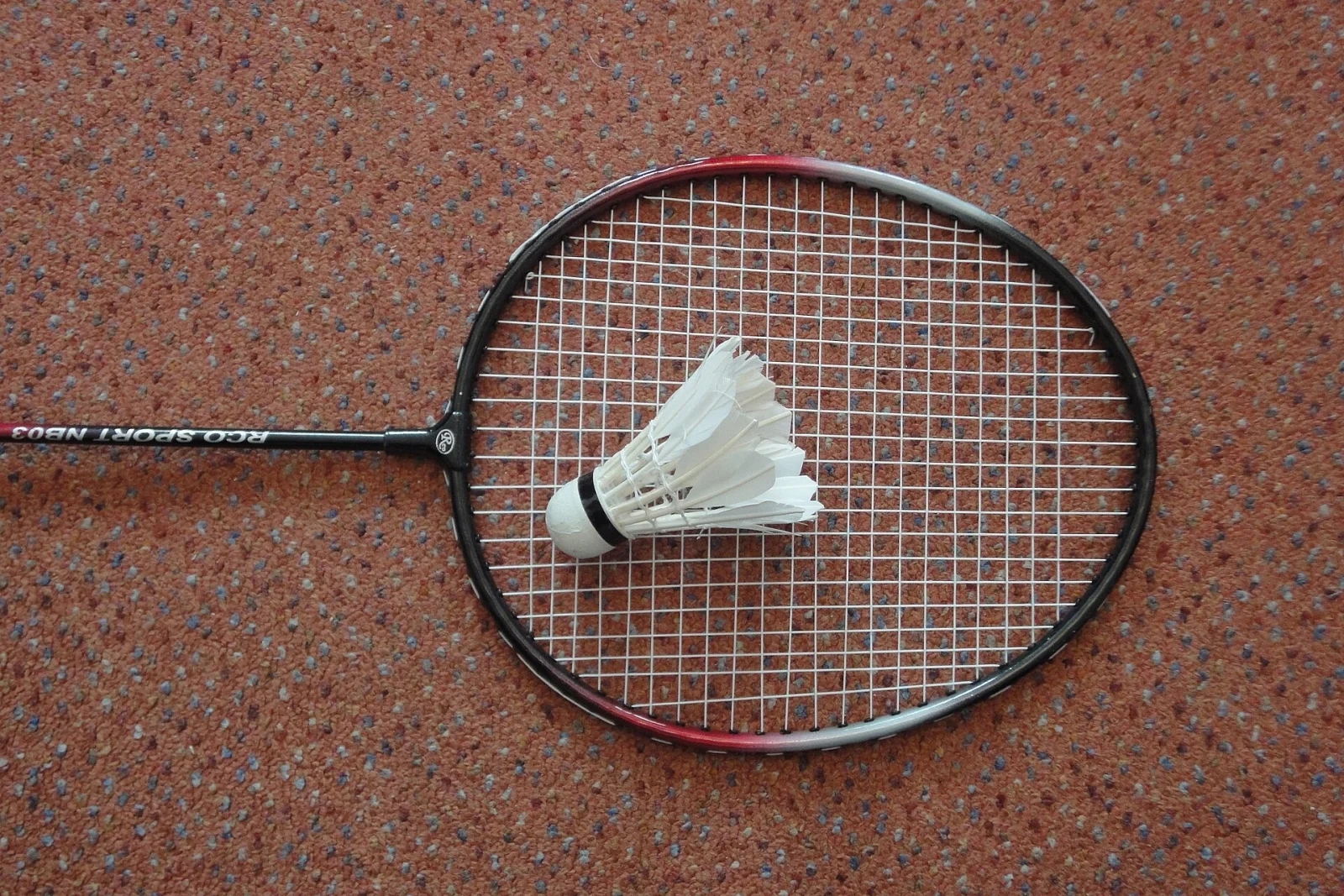
The standard service law requires diagonally opposite service courts without touching their boundary lines, with some part of both feet stationary on the court from the start until delivery. The server releases without adding spin, initially strikes the base and contacts the whole shuttle below 1.15 metres.
The first forward racket movement starts the service; it must continue forward until delivery. Missing the shuttle in an attempted serve is not a free retry. The receiver must be ready, although attempting a return counts as readiness.
| Moment | Watch for | Separate question |
|---|---|---|
| Before the start | Courts, lines and readiness | Which court is correct at this score? |
| Start to delivery | Stationary ground contact and forward racket movement | Did the observation cover the whole interval? |
| Release and contact | Release, initial contact and the applicable height rule | Does the camera angle show the measurement? |
| Flight and landing | The correct receiving service court | Which lines define that court? |
Separate a foot on a line from a shuttle on a line
The court boundary is part of the area it defines, so a shuttle landing on the appropriate receiving-service boundary is in. That does not allow the players to stand on their service-court lines during the serve.
Put the two observations in separate columns: player position and shuttle landing. A conversation can go in circles when one person is describing a shoe and the other is describing a shuttle. Our singles and doubles court guide helps identify the relevant service area before discussing the fault.
Example: the camera misses the critical moment
Imagine a clip that begins after the shuttle has left the racket. It shows a player moving towards the next shot. That clip does not establish what the player’s feet were doing during the service interval.
Record the missing evidence rather than extending a later movement backwards in time. For a useful discussion, you need the disputed action, its timing and an angle that actually shows it. A confident caption cannot supply frames that are absent.
Example: the receiver was still preparing
Now imagine that the receiver is adjusting position and does not attempt a return when the server delivers. Check readiness before treating this as an ordinary completed service. Under the standard laws, a serve delivered before the receiver is ready is a let; an attempted return changes that readiness assessment.
This distinction is worth settling before discussing the quality of the serve. Write down whether a return was attempted rather than guessing what the receiver intended from their expression.
Agree the rule set before a club game
The standard height rule is not simply “below the waist.” BWF also publishes alternative service laws. Establish which approved rules the event is using instead of changing the measurement halfway through a disagreement.
For a club discussion, keep a small note with the event’s rule set, the point being questioned and the observable evidence. It is a better starting point than collecting unrelated fault clips. When an official is present, use the event’s process for clarification rather than treating a phone replay as an automatic appeal.

Amelia Brooks
Editorial pen namePractical guides to phones, two-wheelers and gaming from the NewsHoxs desk. Read the bio & browse all stories ↗
See our coverage methodology or send a correction.