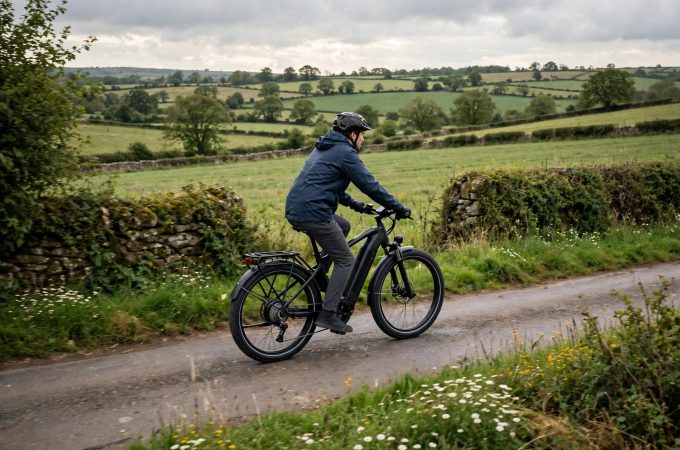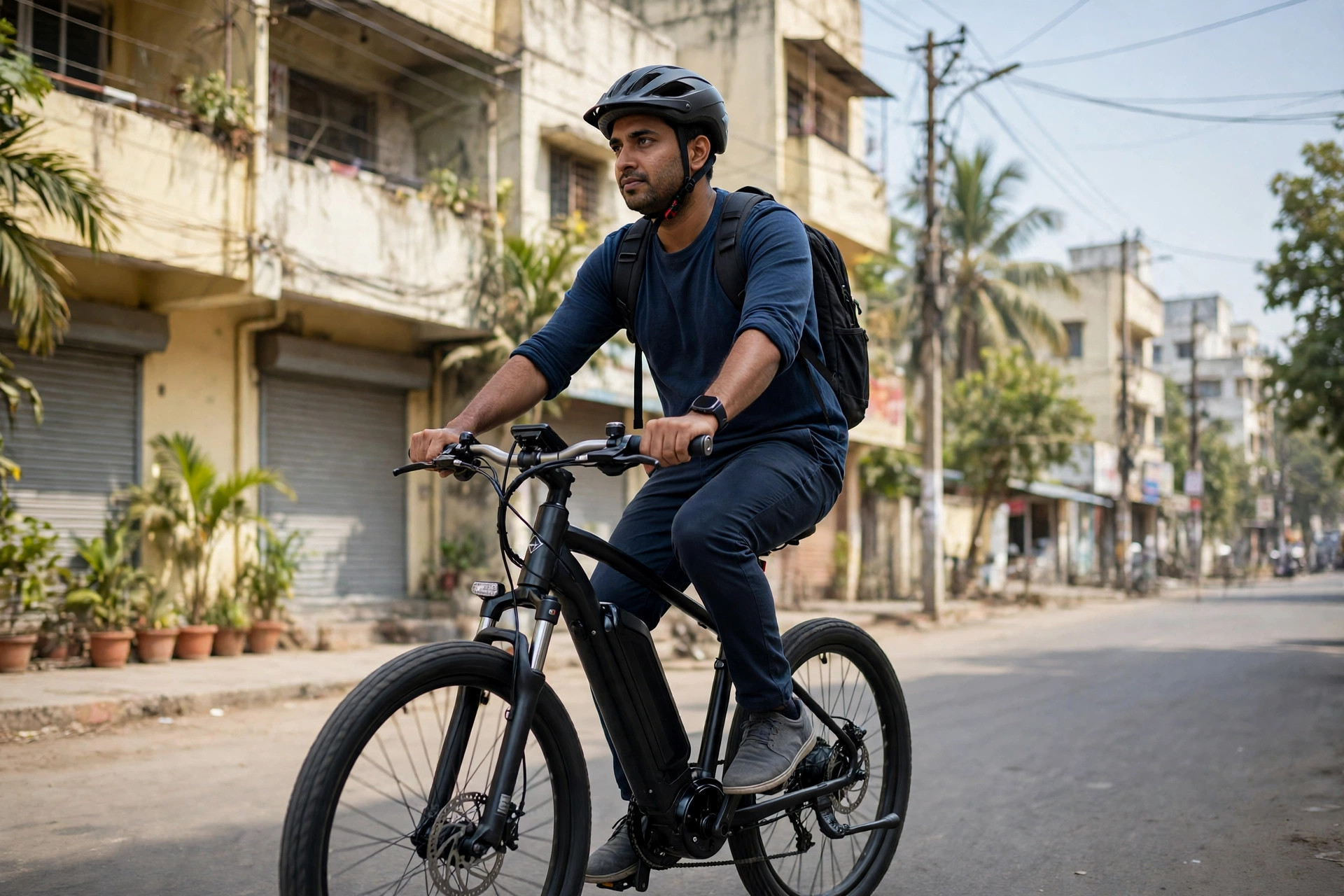
An e-bike can make a daily commute much easier. You arrive less tired, you do not worry about a steep slope, and you can ride in normal clothes on a short trip. But not every e-bike suits every commute. A bike that is good for a flat, short ride may struggle on a hilly, long one. A bike with a big battery may be heavy to carry up a flight of stairs. The right choice depends on your route, your body, and how you will actually use it every day.
Start by writing down your commute. How far is it, one way? Is it flat, or does it have slopes? How much of it is traffic, and how much is open road? Will you need to carry the bike, park it in a flat, or charge it at work? Those answers matter more than any single feature.
Match the range to your real ride
Range is the first thing most people ask about, and it is the easiest to get wrong. The range on a brochure is measured in ideal conditions. Your real range will be less, especially if you use high assist, ride into a headwind, or carry a bag.
A simple rule is to pick a bike whose stated range is at least one and a half times your daily round trip. If your round trip is 20 km, look for a bike that claims at least 30 km in normal use. That gives you a buffer for traffic, slopes, and a battery that gets older.
Think about charging too. Can you charge at home? Can you charge at work? If you can charge at both ends, you need less range. If you can only charge at home, you need enough range for the full round trip, plus a little extra.
Ask the dealer how the range changes with assist level. A bike may go far in eco mode, and much less in high mode. Ask what range riders in your area actually get, not just what the brochure says. A test ride on your own route, if the dealer allows it, is the best test.
Check the battery and motor in plain terms
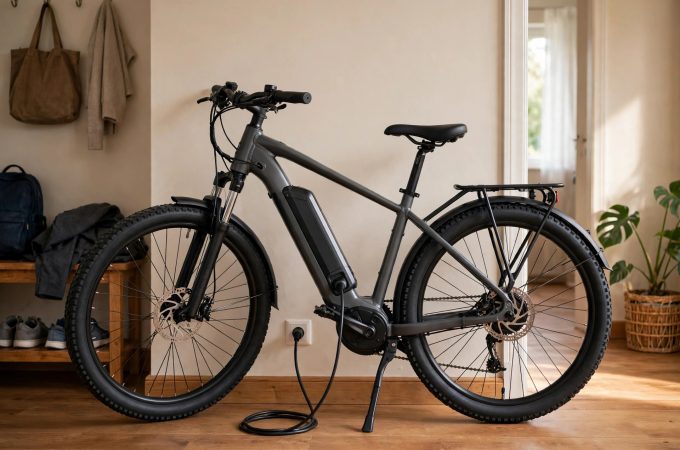
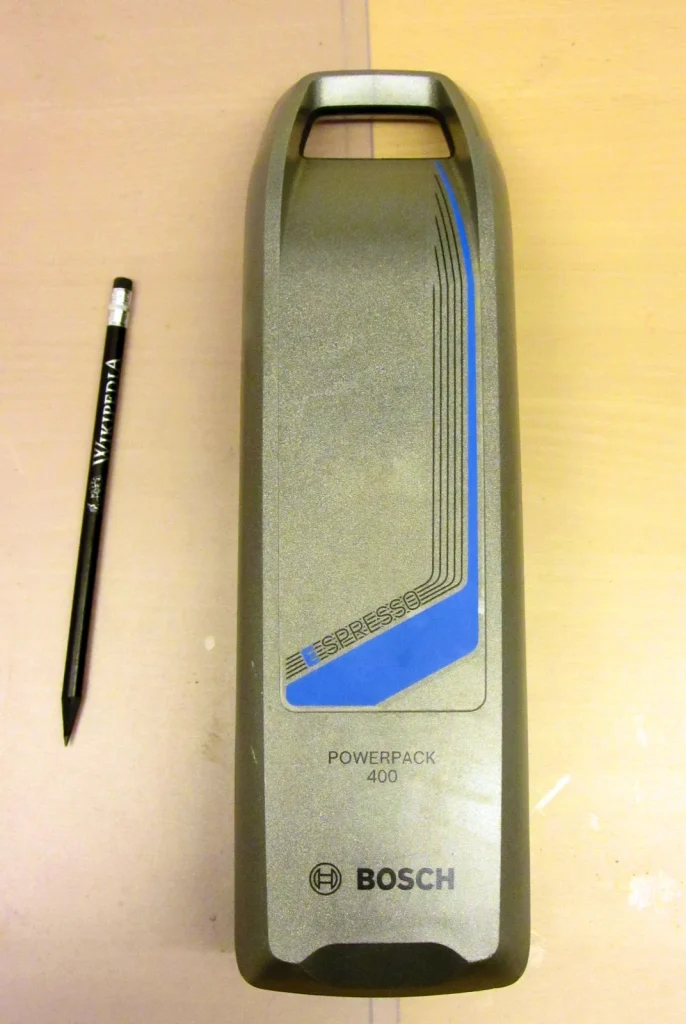
The battery is the most expensive part of an e-bike. Ask how long it should last, how it is charged, and whether it is removable. A removable battery is easier to charge in a flat, and easier to take inside in cold or hot weather. A fixed battery may be neater, but you have to bring the whole bike to a plug.
Ask about the battery warranty, and what it covers. A battery warranty is often different from the warranty on the rest of the bike. Note the terms, and keep the papers safe.
The motor type matters for how the bike feels. A hub motor, in the wheel, is often simpler and quieter. A mid-drive motor, near the pedals, can feel more natural on slopes, because it uses the gears. You do not need to know every technical detail. You need to know how it feels on a slope, and how it feels when you start from a stop. A test ride will tell you more than a list of numbers.
Check the weight of the bike. An e-bike is heavier than a normal cycle. If you need to lift it up steps, put it on a train, or hang it on a wall, weight matters a lot. Try lifting it in the shop, and try pushing it when the motor is off. A bike that is hard to push without power will be hard to live with if the battery runs out.
Sit on it and ride your route
Comfort matters more on a daily commute than on a weekend ride, because you will do it five days a week. Sit on the bike with your normal shoes and bag. Can you reach the handlebar comfortably? Is the seat at a height where your legs feel right? Can you see clearly in the mirrors if the bike has them?
Take a test ride on a road like your commute, not just a smooth car park. Ride over a bump, turn at a junction, and stop at a signal. Does the bike feel stable? Does the motor start smoothly, or does it surge? Does the braking feel firm and predictable?
Check the lights, the mudguards, and the rack. For a daily commute, mudguards keep you dry in the rain, and a rack lets you carry a bag without a backpack on your back. A good lock, lights, and a bell are not extras. They are part of the commute.
Think about service and running costs
An e-bike needs service, like any bike, plus care for the battery and motor. Ask where the nearest service centre is, and how long a normal service takes. Ask how much a service costs, and how often the chain, brakes, and tyres need attention.
Ask about parts. Are tyres, brake pads, and cables easy to get? How long do you have to wait for a battery or motor part? A bike with a service centre near you is easier to own than one where you have to send the bike away for a simple repair.
Check the total cost, not just the price in the shop. Add the cost of a good lock, lights, a helmet, and a rain cover. Add the cost of electricity for charging, which is usually small, but worth knowing. Add the cost of a service every few months. A bike that looks cheap in the shop can cost more over a year if parts are hard to get.
Quick checklist
- Write down your daily distance, slopes, traffic, and charging options
- Pick a bike with stated range at least 1.5 times your round trip
- Check if the battery is removable, and what the warranty covers
- Test the motor on a slope and from a stop, and check the weight without power
- Sit on it with your bag — check seat, handlebar, lights, mudguards, and rack
- Ask for service costs, service centre distance, and parts availability
- Make a short list of three, compare them, and decide after a day
The best e-bike for your commute is not the one with the biggest number. It is the one that fits your route, your home, and your daily routine. Take your time, test it on your own road, and you will know when you have found it.

Amelia Brooks
Editorial pen namePractical guides to phones, two-wheelers and gaming from the NewsHoxs desk. Read the bio & browse all stories ↗
See our coverage methodology or send a correction.