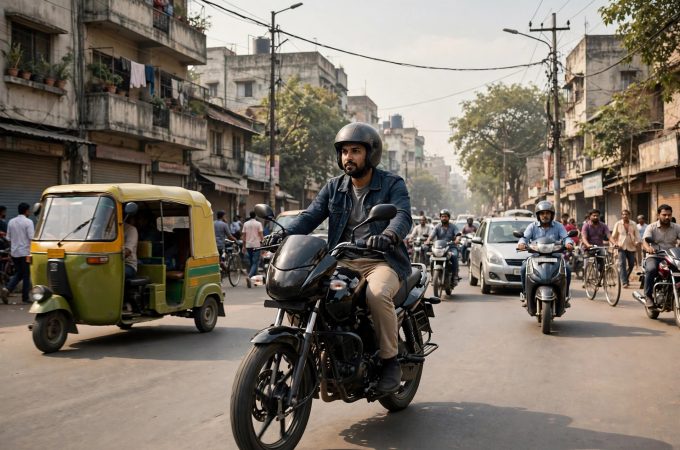
You park your bike outside a shop for ten minutes, come back, and the helmet is gone. Or worse, the bike itself is gone. It happens in busy markets, outside offices, and even in housing societies where everyone knows each other. Most thefts are not planned for weeks. Someone sees a bike that is easy to take, with no lock, in a dark corner, and they take a chance.
You cannot make a bike impossible to steal. You can make it a bad choice. Thieves look for the easiest bike on the street. If yours takes longer, needs more tools, and is in full view of people, they usually move on. This guide is about those small choices, the ones you repeat every day.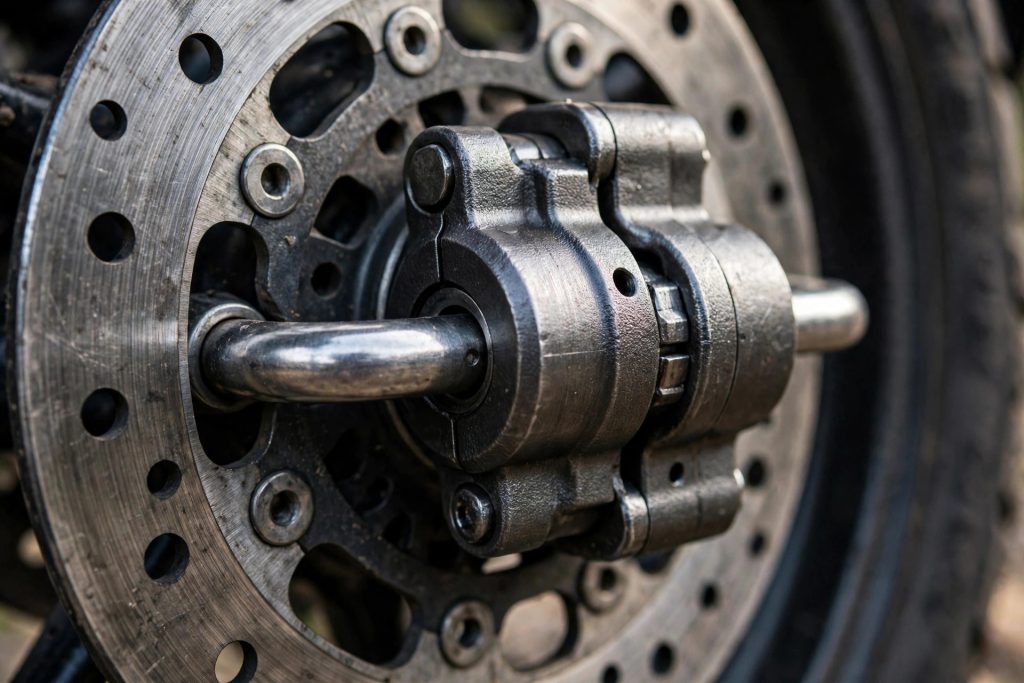
Pick a spot people can see
The first decision is where you stop, not how you lock. A busy, well-lit spot near a shop entrance, a security guard, or a CCTV camera is better than a quiet lane behind a building. Thieves do not like an audience.
In a market, park near other bikes, but not so tightly packed that you cannot lock yours properly. In a housing society, use the marked parking area instead of a dark corner near the gate. If you park at work, ask the security team where they can see from their post. A spot they can see is a spot a thief has to work in front of someone.
At night, light matters more than anything else. A streetlight, a shop light, or a building entrance light makes a big difference. If the only free spot is dark, walk a little further to a lit one. It is worth the extra minute.
Lock the frame, not just the wheel
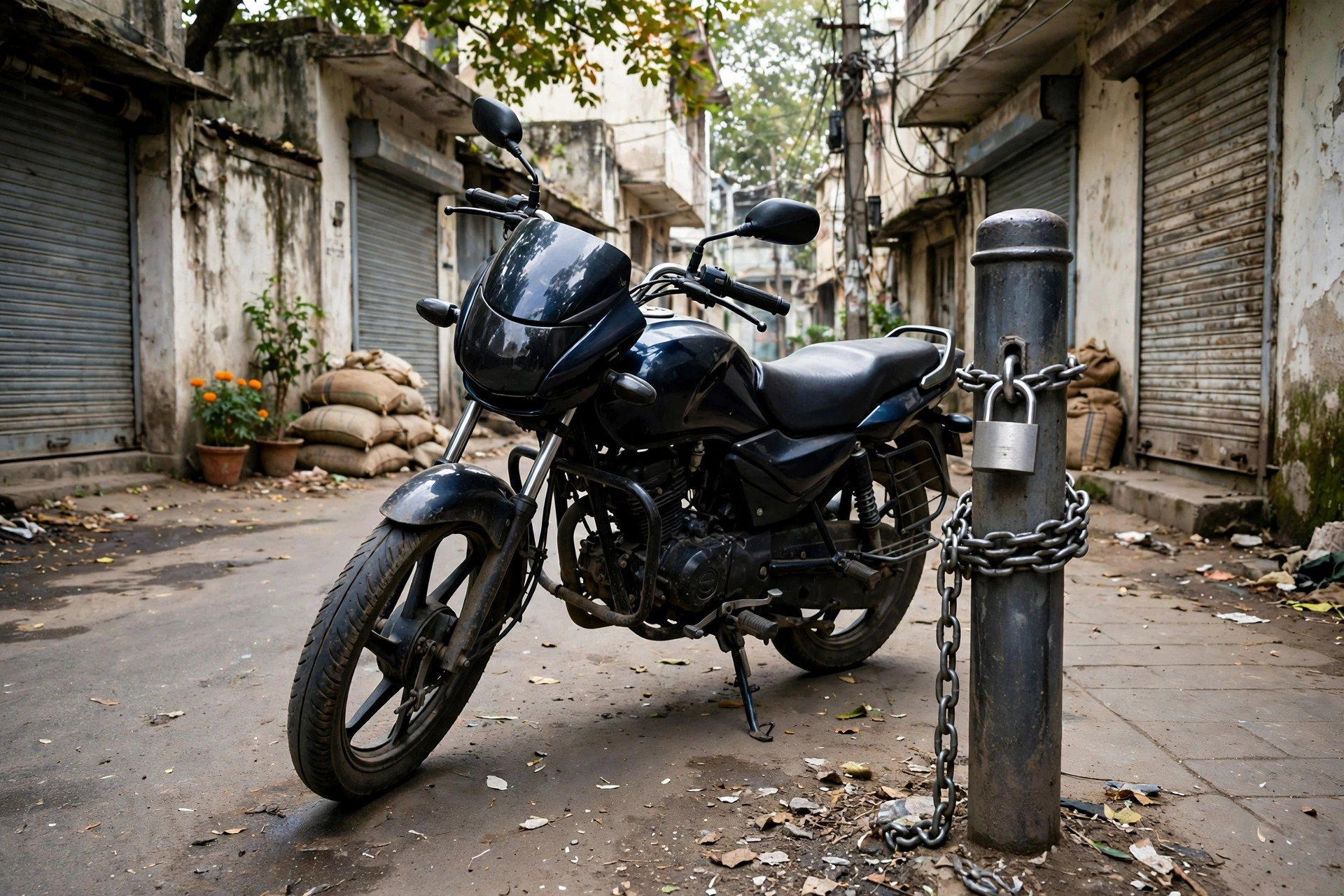
A lock on the front wheel alone is not enough. A thief can lift the bike, or remove the wheel, and walk away with the rest. Lock the frame to something fixed, like a sturdy pole, a railing, or a bike stand. The lock should go through the frame and, if possible, through the rear wheel too.
Use a good U-lock or a heavy chain lock. Cable locks are light and easy to carry, but they are also easy to cut. If you ride daily in a city, a U-lock is a better main lock. Keep the keyhole facing down if you can, so rain and dust do not settle in it.
Lock it tight. A loose lock leaves room for a thief to use a tool for leverage. The less space between the lock, the frame, and the pole, the harder it is to force. Take a few seconds to pull the lock snug before you walk away.
If there is nothing fixed to lock to, lock the front wheel to the frame, turn the handlebar, and use the steering lock. It is not perfect, but it slows someone down. In that case, park in the most visible place you can find.
Use a second lock in busy areas
One lock stops a casual thief. Two locks stop most others. A second lock does not have to be expensive. A disc lock, a chain through the rear wheel, or a second U-lock on the other wheel makes the bike take twice as long to free.
Use the second lock in places you know are risky: railway stations, college gates, weekly markets, and busy bus stands. Use it at night, and when you will be away for more than an hour.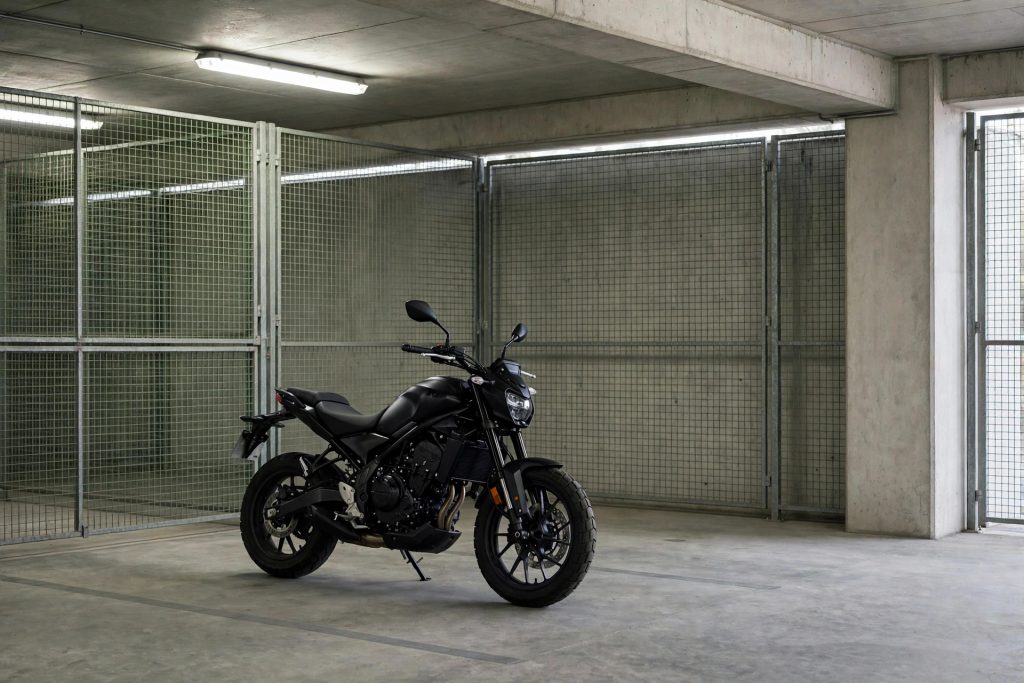
Keep the second lock in a way that you will actually use it. If it is buried at the bottom of a bag, you will skip it when you are in a hurry. Keep it in a side pocket, a top box, or under the seat if there is space. A lock you leave at home does not help.
Take the small things with you
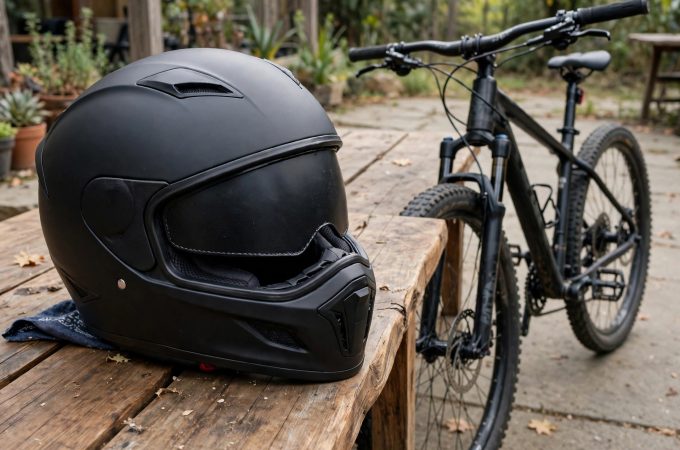
Helmets, gloves, a phone holder, a small bag on the tank — these are the first things to disappear. A helmet left on the mirror is an easy grab. Take it with you, or lock it to the bike with a helmet lock if your bike has one.
Remove anything that can be pulled off in seconds. A phone mount, a charging cable, a cover, or a tool roll should go in your bag. If you use a tank bag, take it with you, even if it is empty. An empty bag still looks like it might hold something.
Do not leave papers in the bike. Your registration copy, insurance paper, and other documents should not sit under the seat for anyone to find. Keep copies on your phone, and the originals at home, unless you need them for a trip.
What to do if your bike is stolen
First, check the nearby area and ask the shop or guard if the bike was moved for parking reasons. Sometimes a bike is shifted by a guard or a shop owner, not stolen.
If it is really gone, go to the nearest police station and file a complaint as soon as you can. Give them the registration number, chassis number, engine number, colour, and the photos you took. Note the complaint number.
Then call your insurance company and tell them what happened. Ask what papers they need, and how long you have to submit them. Keep a copy of the police complaint with the insurance papers. Do not wait a day to start this — the first few hours matter.
Quick checklist
- Park in a lit, visible spot near people or a guard
- Lock the frame to a fixed pole or stand, not just a wheel
- Use a second lock in busy places and at night
- Take your helmet, bag, and small accessories with you
- Note your chassis and engine numbers and keep bike photos
- Keep insurance and registration details where you can find them fast
Parking safely is mostly habit. Pick the visible spot, lock the frame properly, take the small things with you, and you will already be ahead of most bikes on the street. It takes an extra minute each time, and that minute is the difference between a bike that is easy to take and one that is not worth the trouble.

Amelia Brooks
Editorial pen namePractical guides to phones, two-wheelers and gaming from the NewsHoxs desk. Read the bio & browse all stories ↗
See our coverage methodology or send a correction.