A long ride sounds simple: pick a place, start early, and keep riding. The first time you try it, you learn that distance feels different on a bike. Your back gets stiff after two hours, your hands get tired, a small noise from the bike starts to worry you, and a fuel stop that looked close on a map is further than you thought. None of this means you should not go. It means a little planning makes the ride far more enjoyable.
For a first long ride, pick a distance you can finish comfortably and still enjoy the return. For many riders, that is 150 to 250 km in a day, with breaks. You can go further later. The first ride is about learning how you and your bike handle distance, not about setting a record.
Pick a route you can actually finish
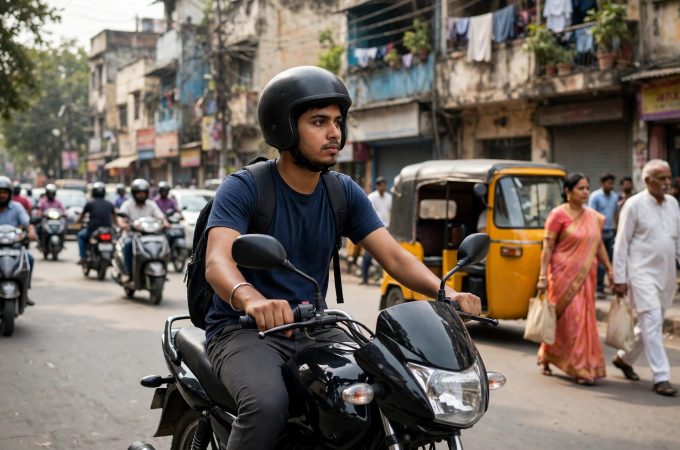
Start with the road, not the destination. A smooth highway is easier than a scenic road full of sharp turns and bad patches. Check the route on a map the day before, and look at the road type. A road that looks short on a map can take much longer if it passes through towns, markets, and slow traffic.
Plan your return too. A 120 km ride out is a 240 km day. If you start late, you may be riding back in the dark. Start early, so most of your riding is in daylight. Aim to reach home before sunset, especially on your first ride.
Tell someone your plan. Tell a family member or a friend where you are going, which road you will take, and when you expect to be back. Share your live location if your phone allows it. If something goes wrong, someone knows where to look.
Keep the route simple. One main road, one or two clear turns, and a known town for a break is better than a route with five small roads you have never used. You can explore more on your next ride.
Check the bike the day before
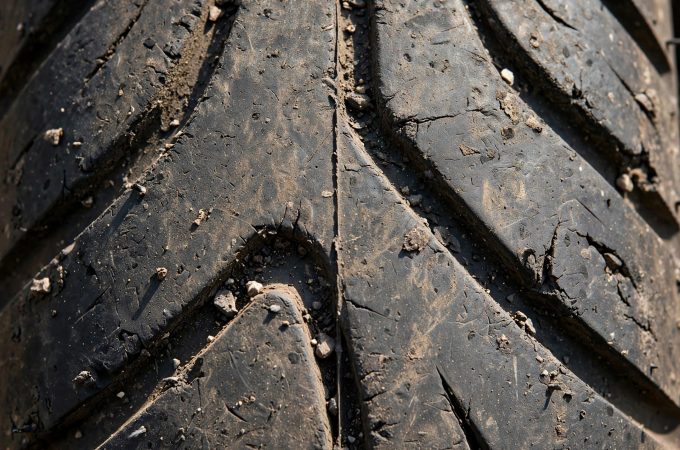
Do the basic checks the evening before, not on the morning of the ride. Check the tyres for pressure and visible damage, check the brakes, check the chain, and check the lights. Look at the fuel level, and fill up before you leave, so you do not start the day searching for a pump.
Check the oil level if your bike has a dipstick or sight glass, and check the coolant level if your bike uses it. If you are not sure how to check these, look at the owner’s manual, or ask a mechanic to do a quick check. A ten-minute check at a shop the day before is better than a breakdown on the road.
Carry a small tool kit, a puncture kit if you know how to use it, and the phone number of a mechanic or a roadside service. You may never need them, but having them removes a lot of worry.
Pack your papers: driving licence, registration, insurance, and pollution certificate if it applies. Keep them in a waterproof cover or a zip bag. Keep your phone charged, and carry a small power bank if you have one.
Plan fuel and rest stops
Do not wait for the fuel light to come on. Plan a fuel stop at a known pump, about halfway, or when the tank is half empty. In some areas, pumps are far apart. If you are riding through a rural stretch, fill up before you enter it.
Plan a break every 60 to 90 minutes. Stop for water, stretch your legs, and check the bike. A five-minute break helps your back, your hands, and your focus. Drink water even if you do not feel thirsty, especially in summer. Dehydration makes you tired and slow to react.
Eat light. A heavy meal in the middle of a ride makes you sleepy. A small meal, fruit, or a snack is better. Avoid a large, oily lunch and then riding straight away.
Use the break to check the bike again. Feel the tyres, look for leaks, and check that your luggage is still tight. A strap that has loosened can move and touch the wheel. Fix it before you start again.
Pack light and pack tight
Pack only what you need for the day. A change of clothes if you are staying overnight, a rain cover, water, a snack, a phone charger, and basic papers are enough for most first rides. The more you pack, the more the bike feels heavy, and the more things can shift.
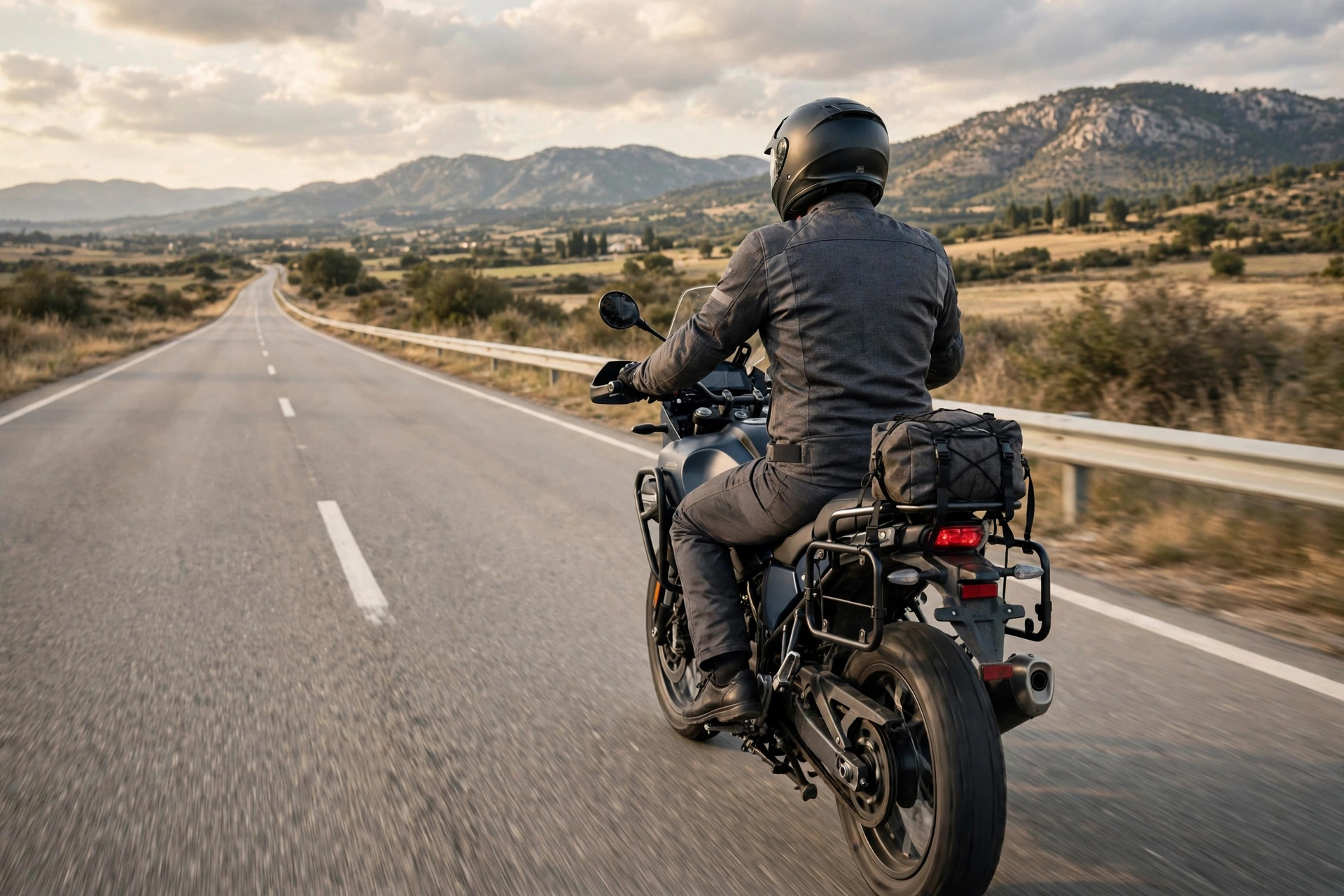
Use a bag that is made for a bike, or a backpack that fits well. Tie luggage tightly with straps or a bungee net. Pull on the bag after you tie it. If it moves, tie it again. Nothing should hang near the wheel, the chain, or the exhaust.
Wear your normal riding gear. A helmet, gloves, a jacket, and proper shoes make a long ride more comfortable, not just safer. A pair of sunglasses or a clear visor helps in bright light and dust. Carry a rain cover for yourself and for your bag if the weather is uncertain. Check the weather the night before, and again in the morning.
Quick checklist
- Pick a realistic distance, 150 to 250 km for a first day, with a daylight return
- Tell someone your route and expected return time
- Check tyres, brakes, chain, lights, oil, and fuel the day before
- Carry licence, registration, insurance, phone, power bank, and a small tool kit
- Plan fuel at half tank and a break every 60 to 90 minutes
- Pack light, tie luggage tight, and keep nothing near the wheel or exhaust
- Ride at your own pace, and stop when you feel tired
A first long ride is not about the place you reach. It is about learning how to plan, how to rest, and how to listen to your bike and your body. Do it once, slowly and well, and the next ride will feel like something you already know how to do.

Amelia Brooks
Editorial pen namePractical guides to phones, two-wheelers and gaming from the NewsHoxs desk. Read the bio & browse all stories ↗
See our coverage methodology or send a correction.